Guide prices
Turkey vs US, Canada, UK & Europe
Select a treatment. Bars compare 2026 average ranges in EUR.
EUR · 2026
Hair transplant
About 79% below typical United States pricing

Multilingual patient coordination. Consultation to aftercare, one point of contact.

Premium medical treatments, internationally coordinated care, and a seamless patient journey from your first consultation to your return home.
No-obligation review. Reply within 24 hours. Your data stays private.
71
Treatments coordinated
Coordinated specialty pathways
10
Languages supported
Coordination in your language
1
Point of contact
From first message to aftercare
Concierge, not a clinic listing
Avenia Global helps international patients plan specialty care in Turkey: consultation, treatment planning, airport transfer, hotel, appointments, translation, aftercare, and follow-up. Clinical decisions remain with the treating team.

Medical Care in Türkiye
For decades, international healthcare was associated with a relatively small group of cities. Today, patients compare far more than geography. Physician experience, hospital infrastructure, treatment pathways, recovery protocols and accessibility increasingly shape where people choose to receive care. Few cities illustrate this shift as clearly as Istanbul.
September 5, 2026 · 8 min read
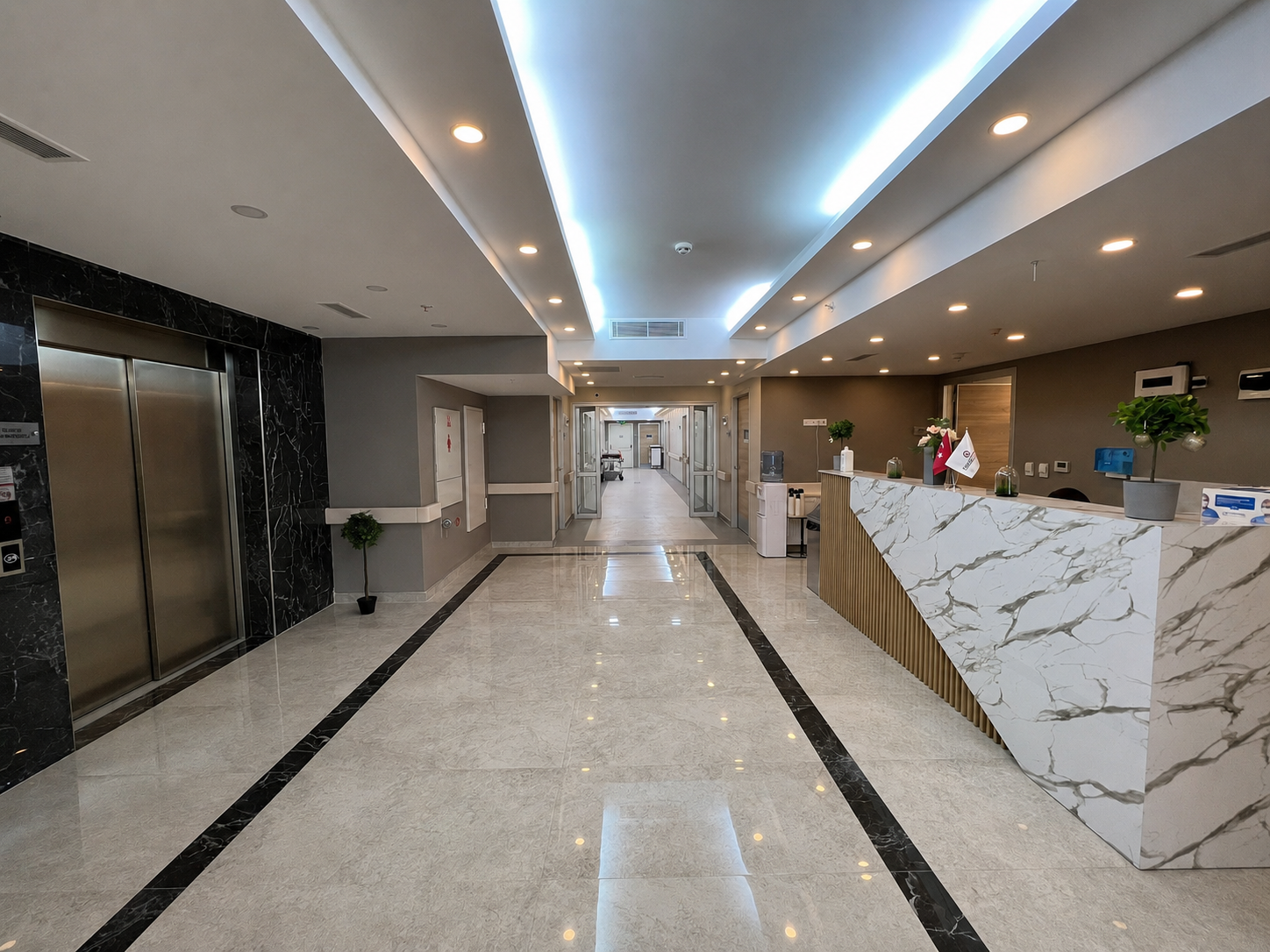
Medical Care in Türkiye
A global healthcare crossroads, not only a lower-cost alternative.
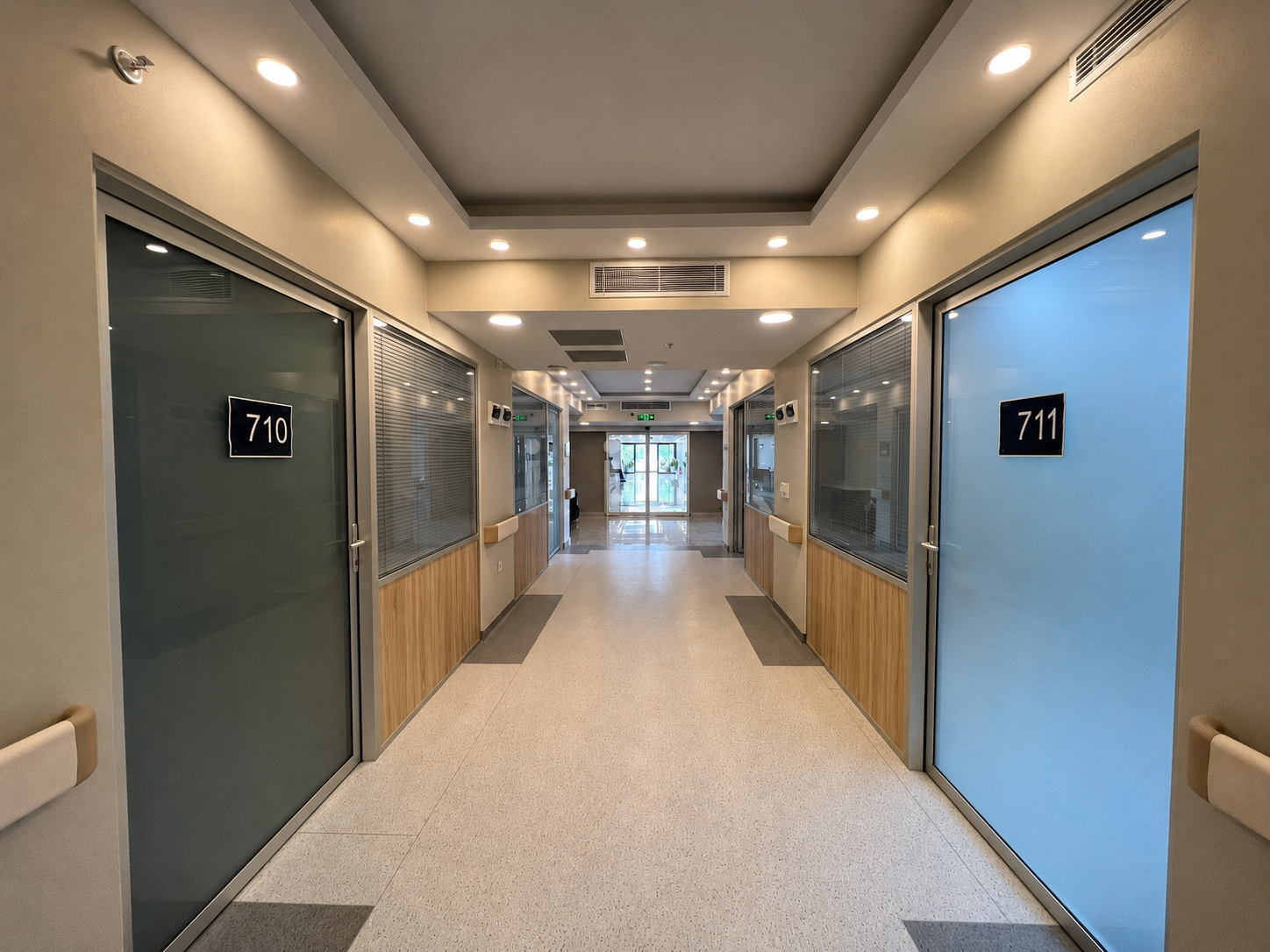

01
Surgical, dental, hair, aesthetic and diagnostic services have grown at scale inside one metropolitan area.
02
The journey starts with records and consultation, then admission, language support, recovery and follow-up after you fly home.
03
A destination’s reputation can inform a choice. It cannot replace the right physician and a documented treatment plan.
Reception
Call her about a treatment, travelling to Istanbul, or how we work. She will orient you and connect you with a coordinator when you are ready.
A conversation with Maya is not a medical consultation. She does not diagnose or promise results.
Treatments
Guide prices
Select a treatment. Bars compare 2026 average ranges in EUR.
Hair transplant
About 79% below typical United States pricing
Patient Journey
Eight steps from first message to aftercare, designed for people flying in.
Step 1 / 8
Send your details and photos. A coordinator reviews them with the medical team and replies with clear next steps. No obligation.
International Patients
Select your country. Support includes flight guidance, transfers if booked, hotel, translation, medical coordination, local support, and aftercare, scaled to the package you choose.
Direct flights to Istanbul are frequent. We align hotel nights with clinic days and send transfer details before you leave Heathrow, Gatwick, Manchester, or other UK airports.
International Patients
Illustrated routes to Turkey. Not a live flight map.
Istanbul
Turkey is an accessible destination for high-quality medical care and a measured stay. Recovery still comes first.
We are with you at every step
Share photos and goals. A coordinator prepares the next clinical step without pressure language or invented guarantees.


