
Multilingual patient coordination. Consultation to aftercare, one point of contact.
Treatments
Each page explains suitability, process, recovery, and how logistics sit around the clinical plan.
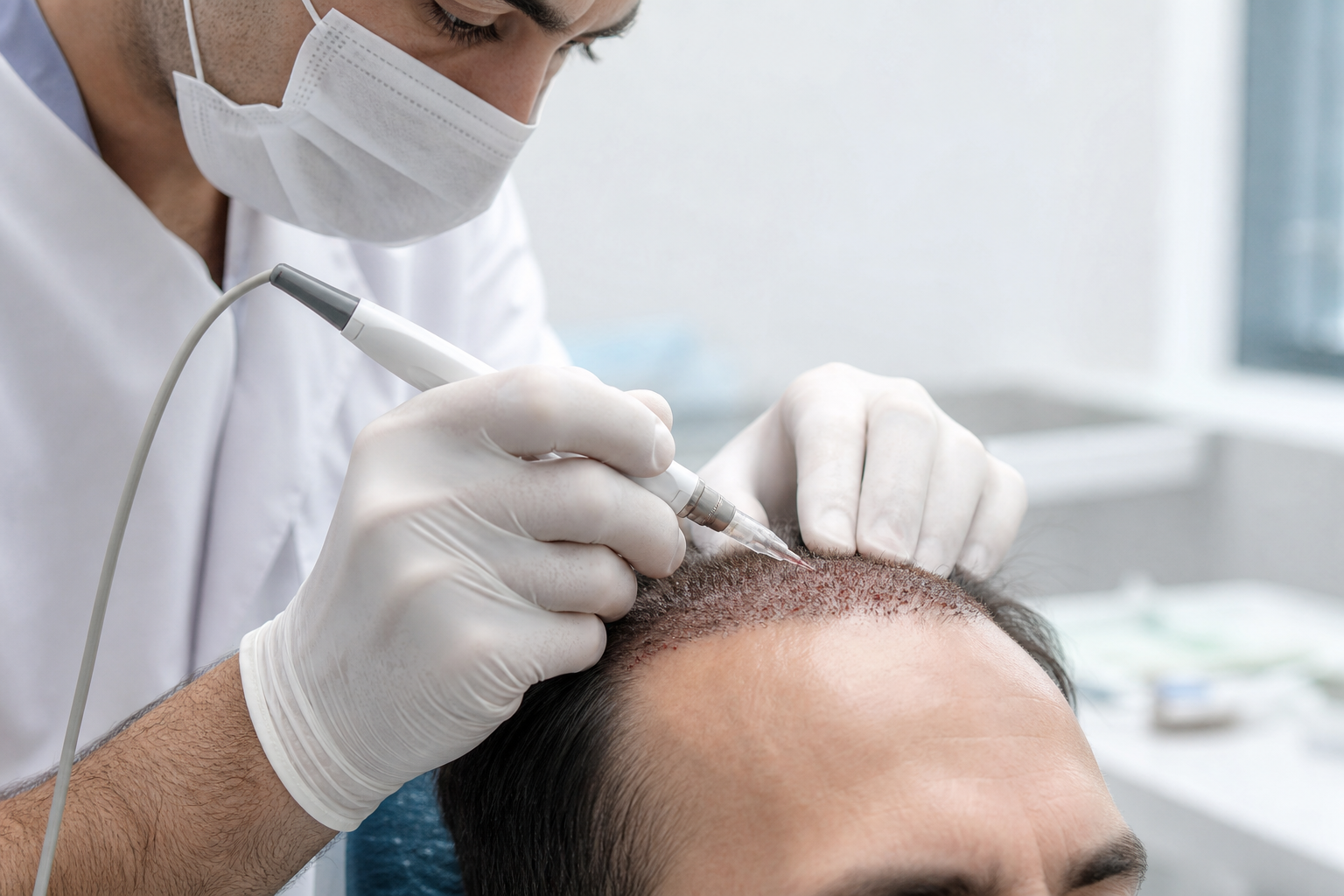
A more tightly planned DHI session with implanter-pen placement, used when donor quality and the hairline plan support it.
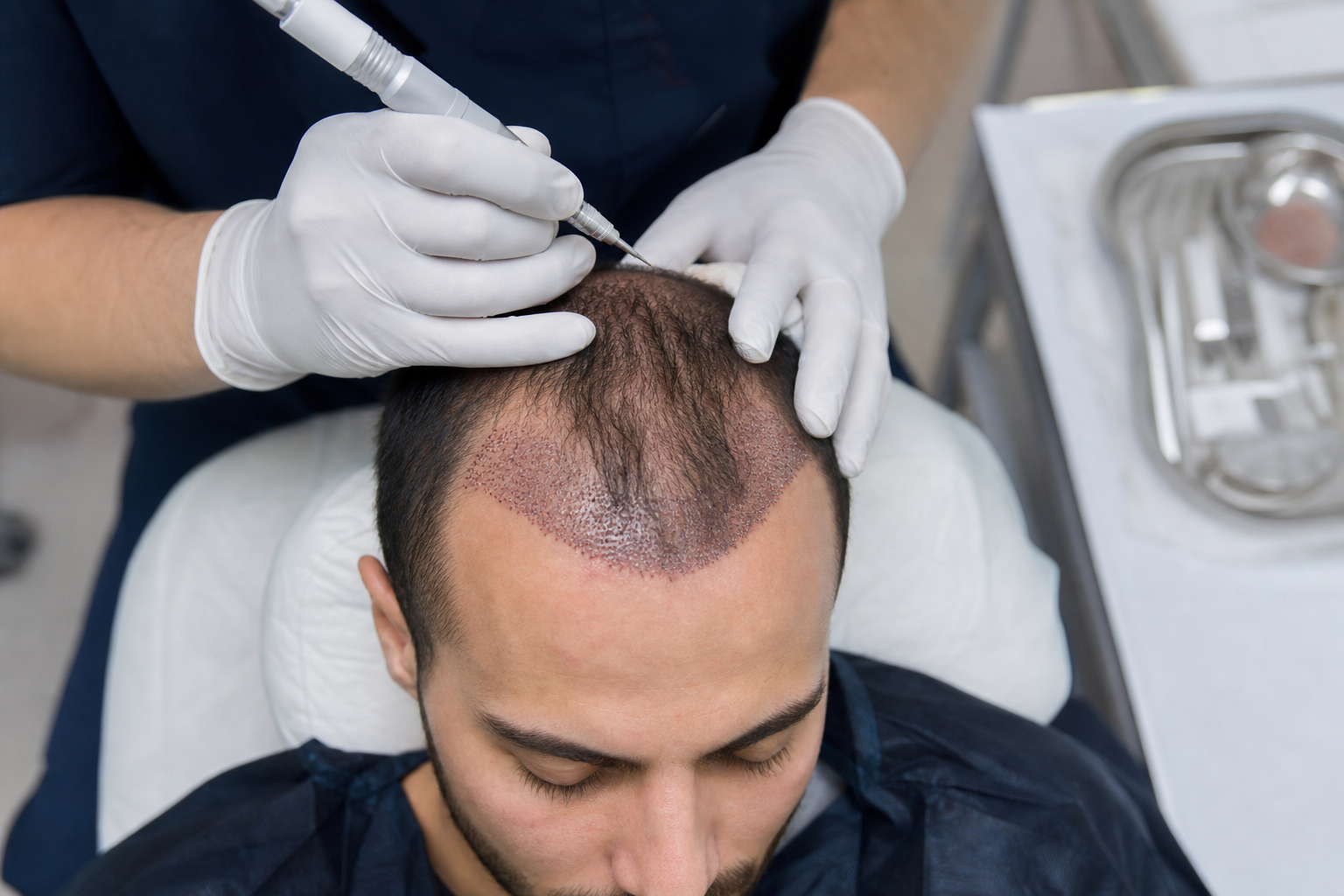
Follicles placed with an implanter pen so the channel and the graft go in together, when that approach fits the case.

Grafts taken one by one from the donor area, then placed to rebuild the hairline and add density around your travel dates.
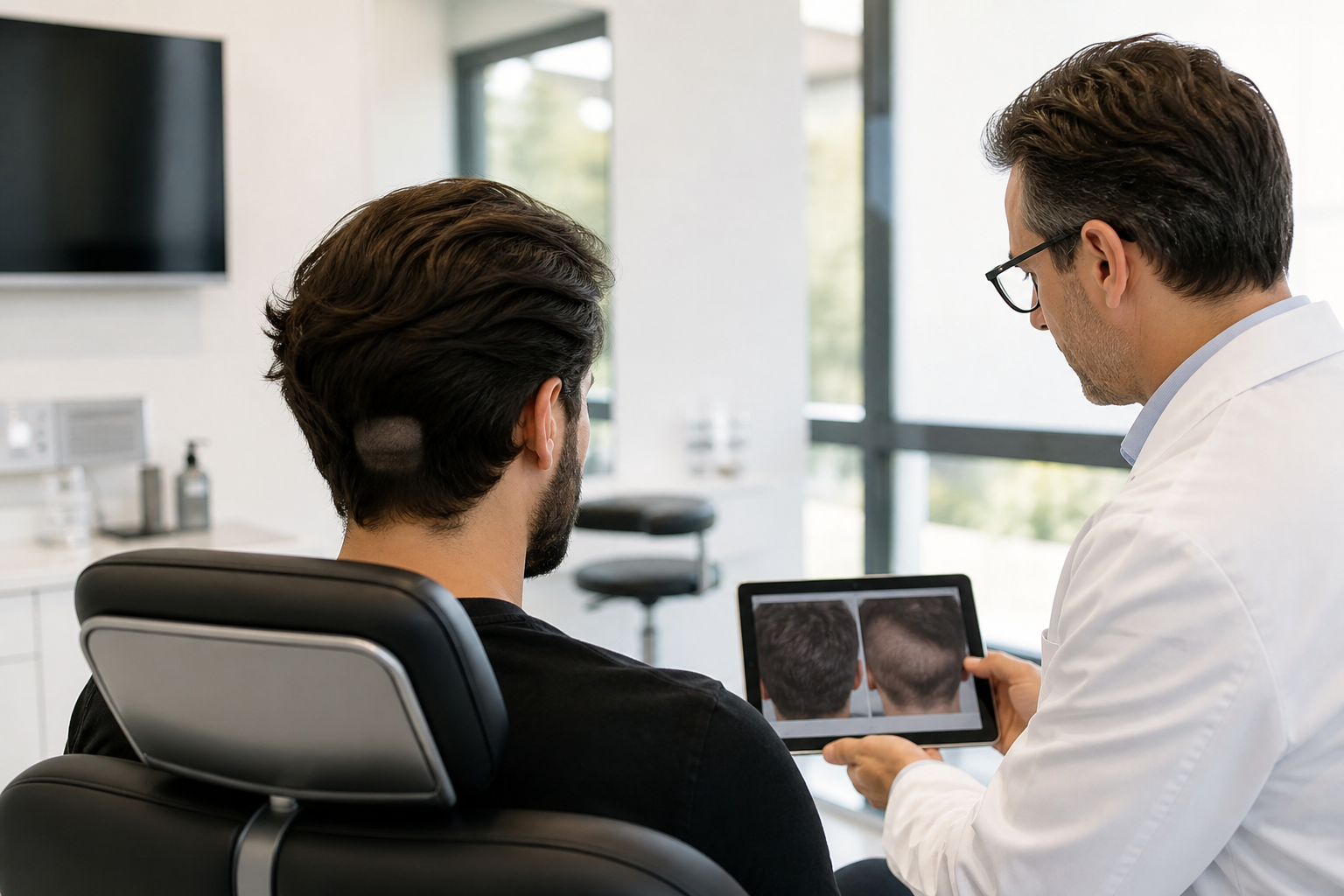
FUE planned so more of the donor hair can stay long, when the pattern and session size allow it.
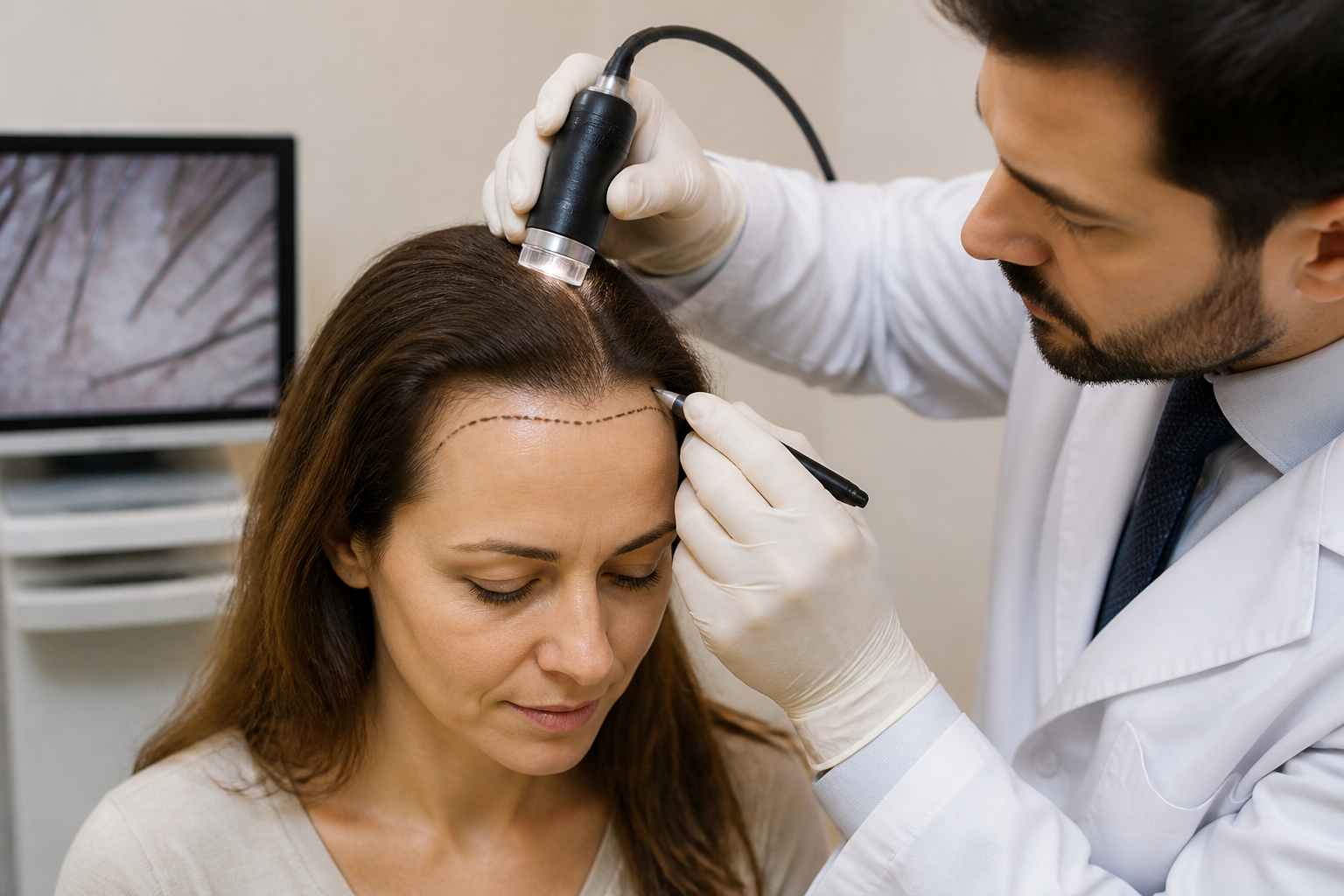
Hair restoration for women after a clinician reviews the pattern, donor reserve, and any medical causes of thinning.

Scalp follicles used to thicken or reshape a beard after the surgeon reviews the area and donor supply.
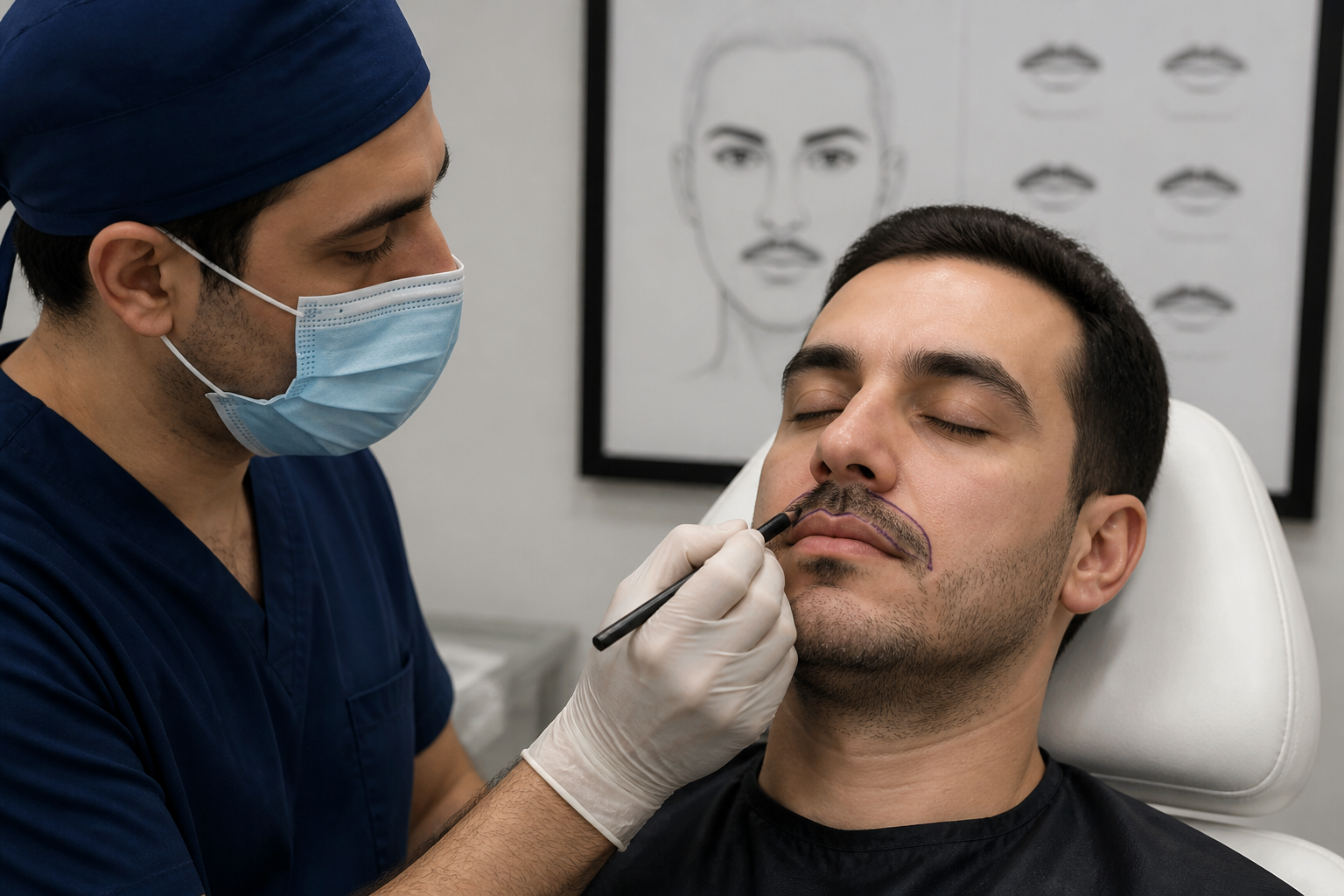
Follicles placed along the upper lip to fill a thin line, a patch, or a scar the surgeon can reasonably treat.
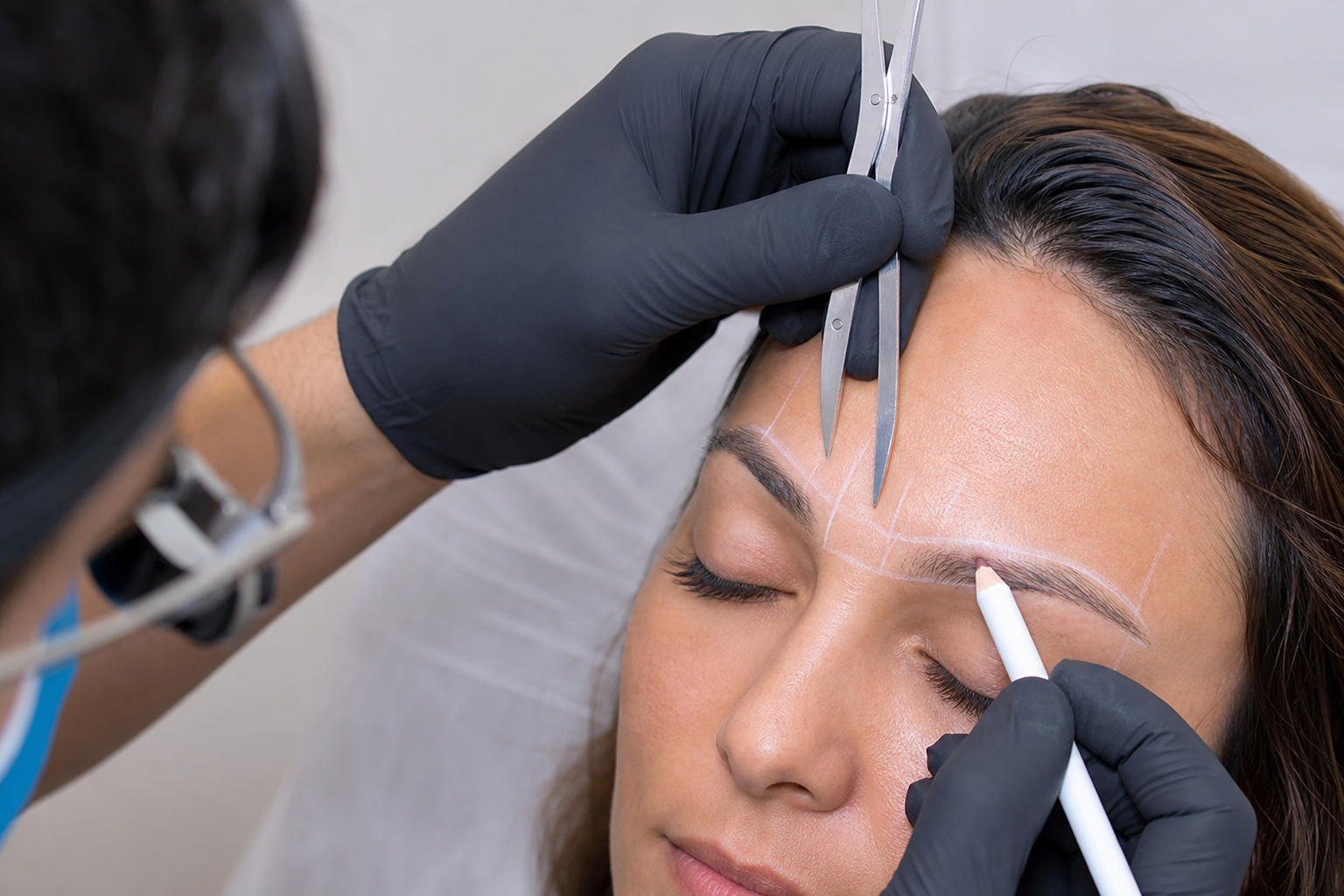
Fine grafts placed to restore or refine the brow after a close look at shape, scars, and existing hair.
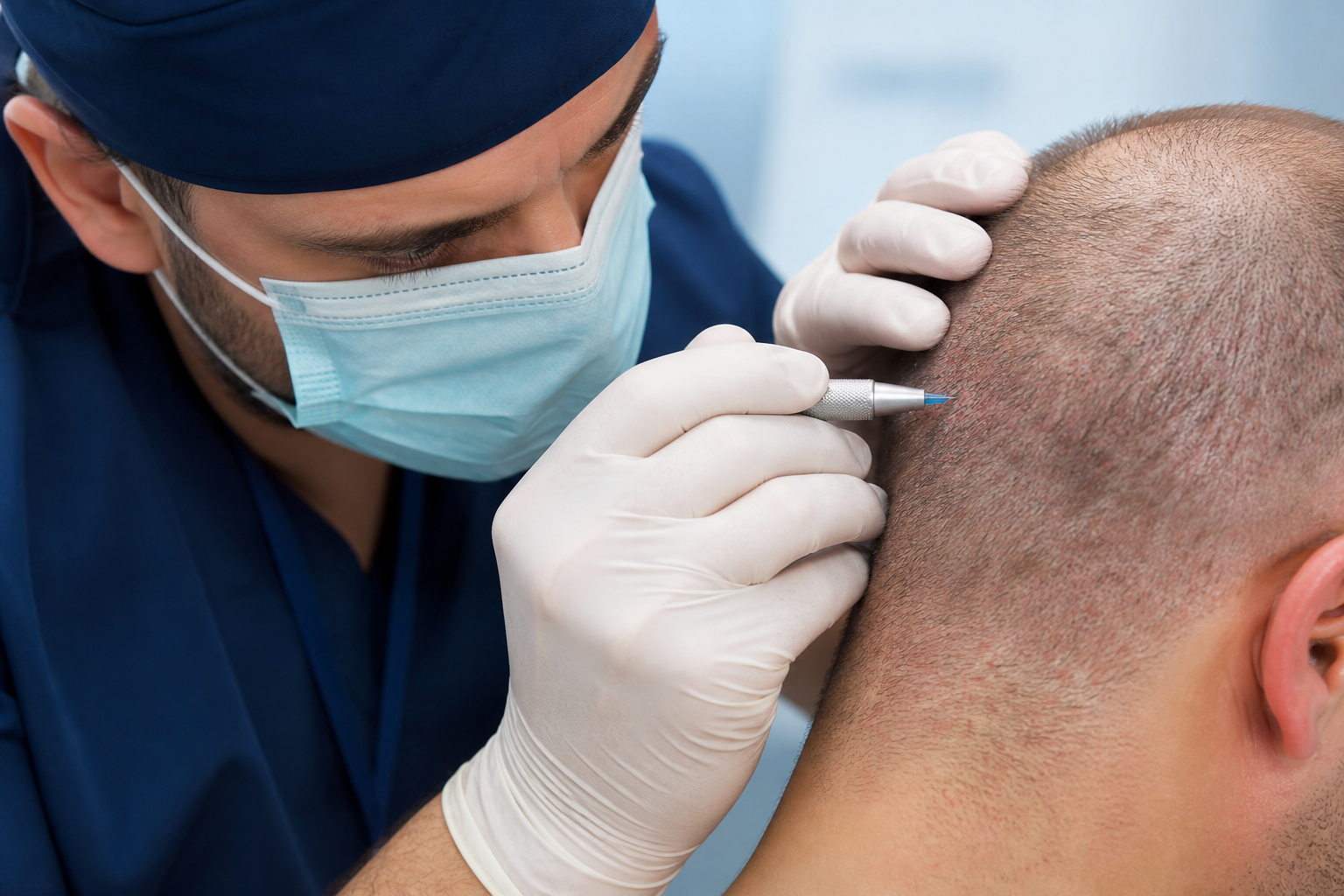
FUE with sapphire blades used to open recipient channels when the surgeon prefers that tool for your hairline.
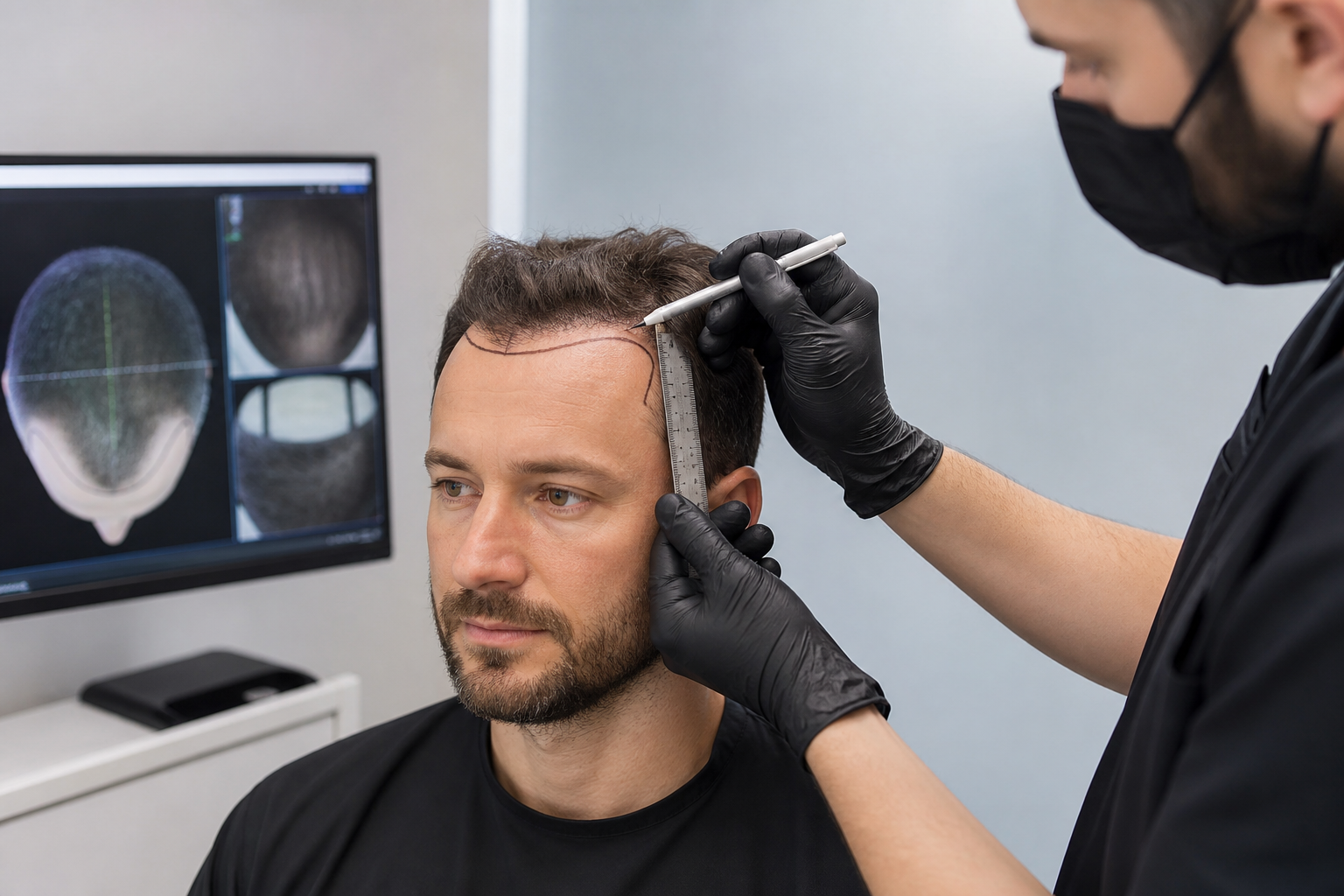
A focused session to map a natural, age-appropriate hairline — on its own or as part of a transplant plan.

A structured look at photos, history, and goals before anyone proposes surgery or medical care.
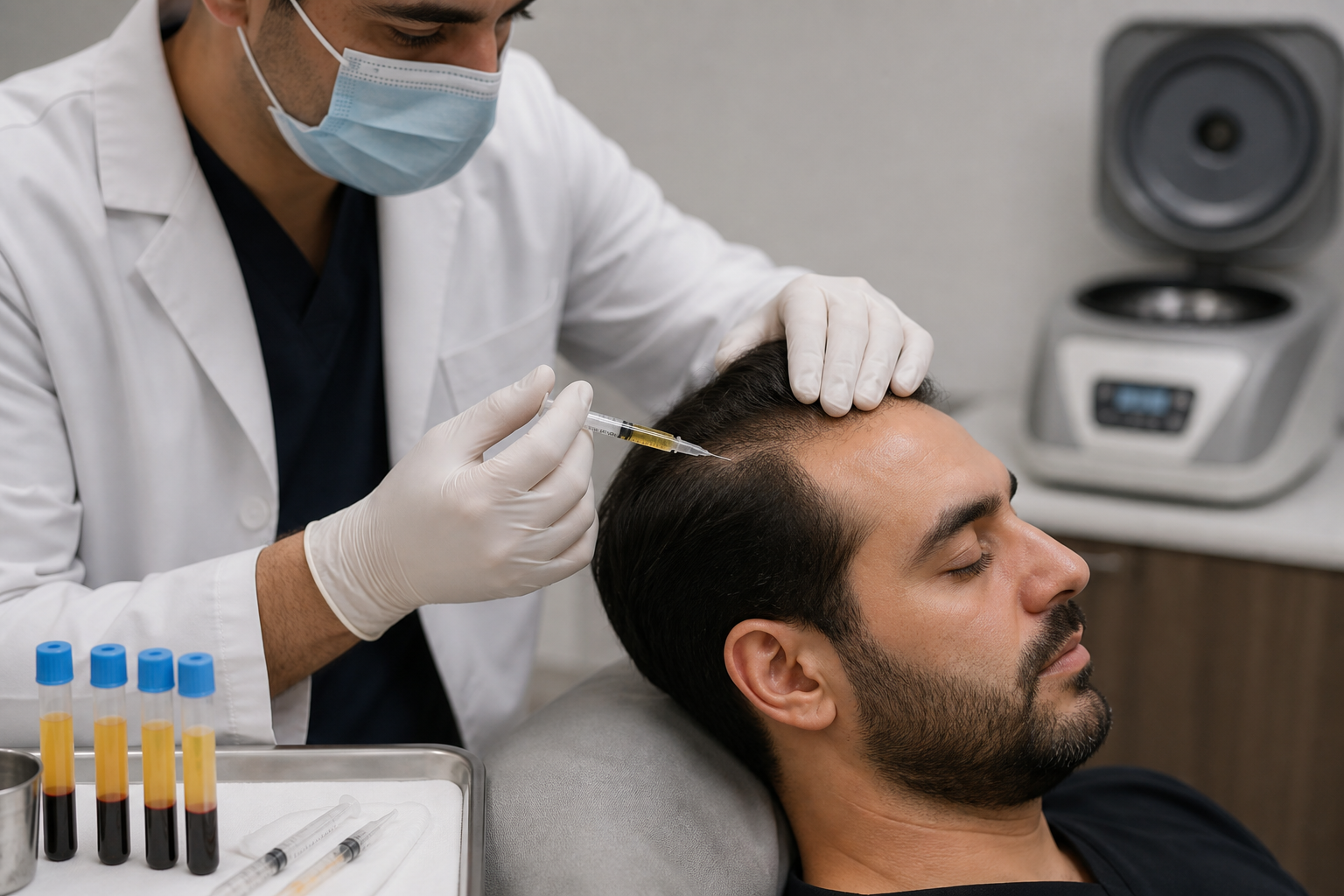
Platelet-rich plasma injected to support thinning hair or a recent transplant — a complement, not a promised cure.
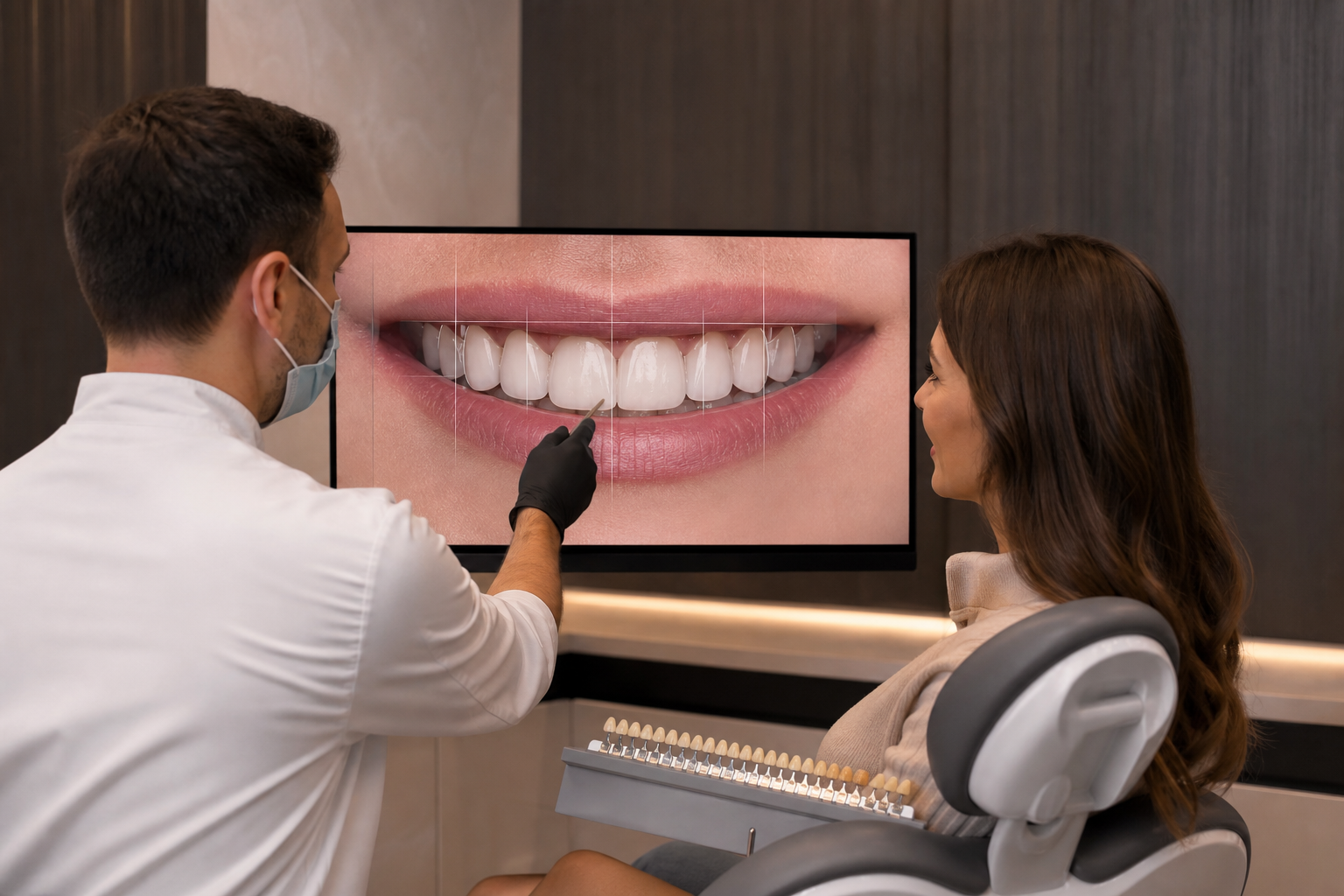
A coordinated smile makeover using veneers or crowns where they are clinically appropriate.
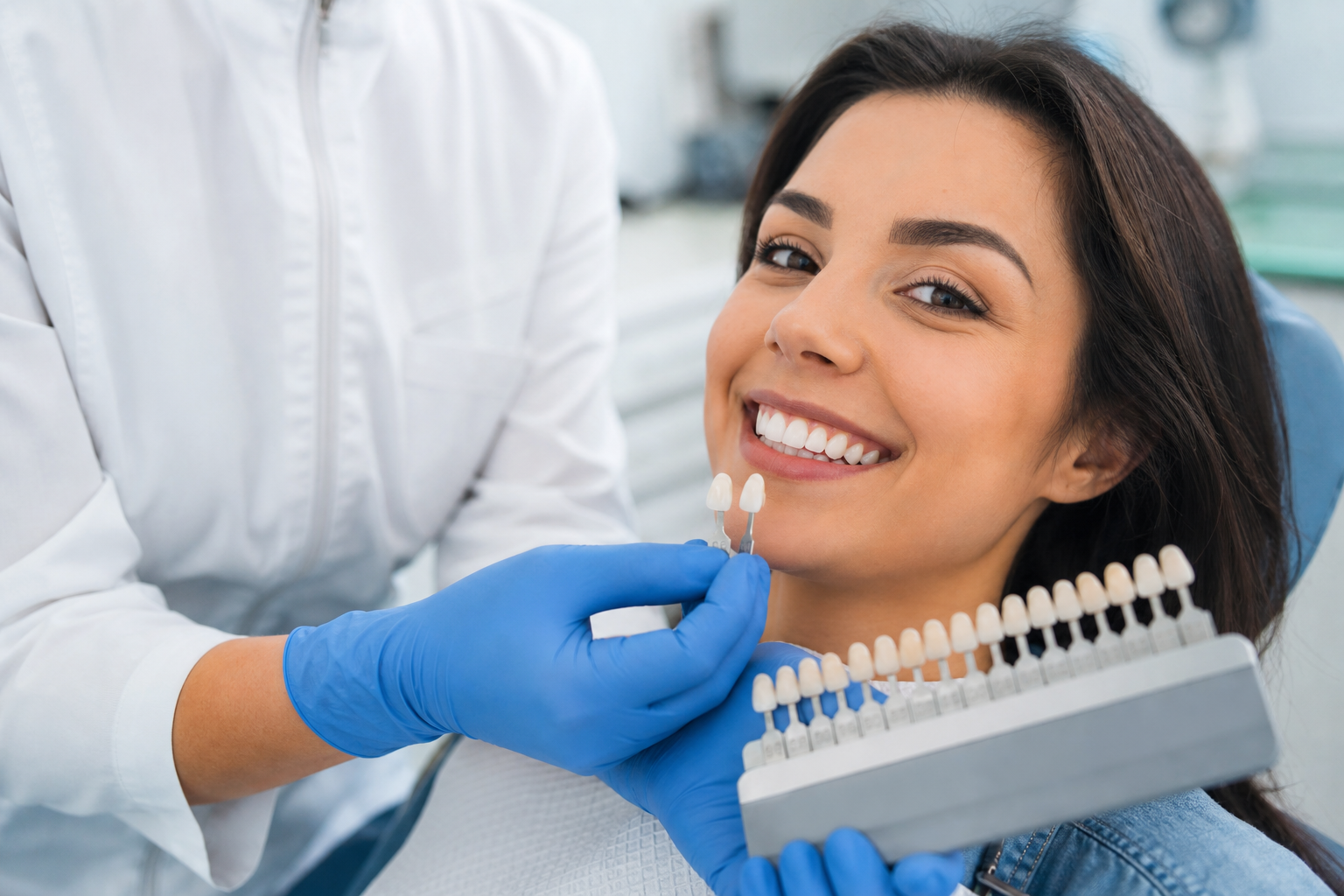
Thin ceramic coverings planned tooth-by-tooth after examination.
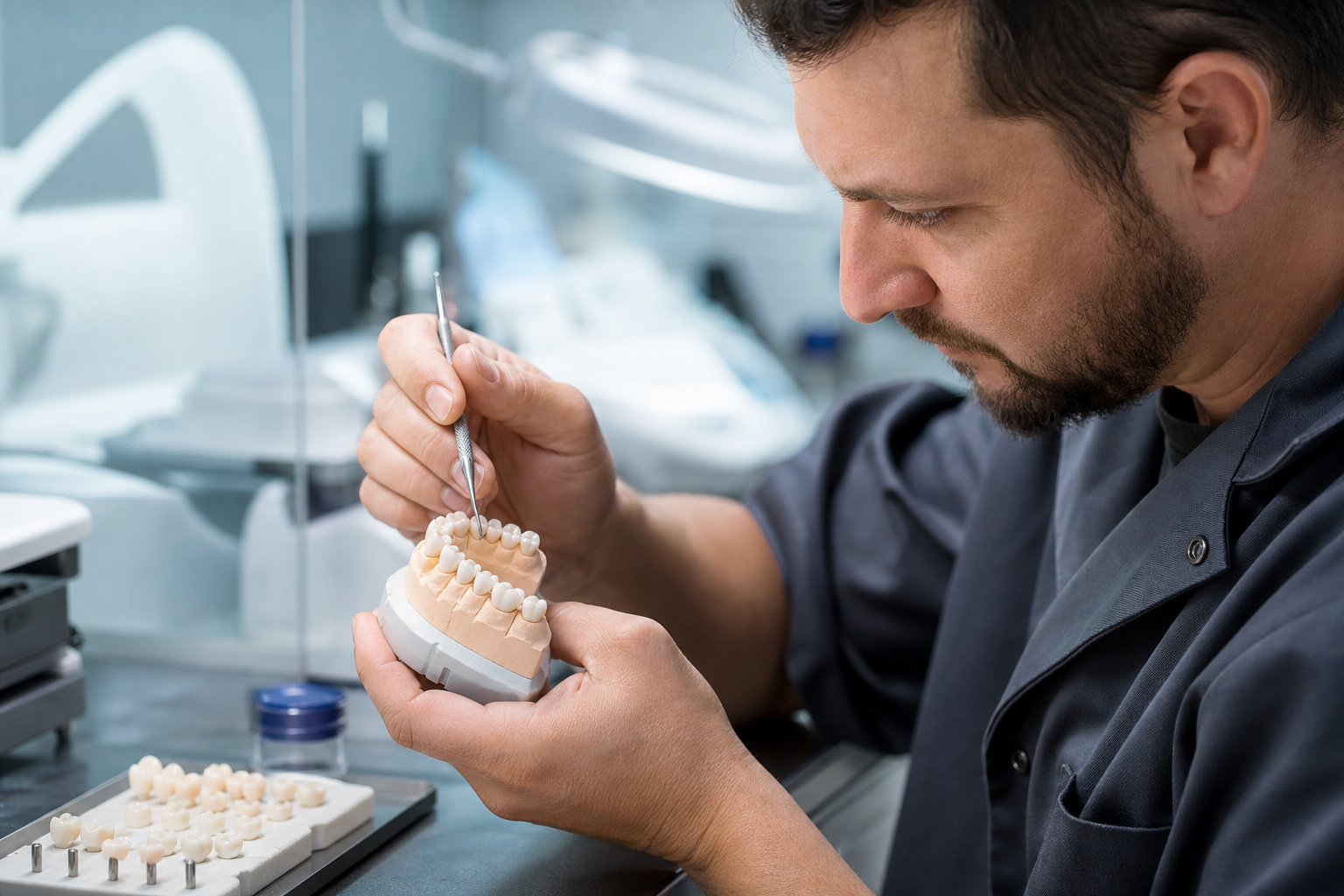
Full-coverage ceramic crowns planned where a tooth needs structural or aesthetic restoration.
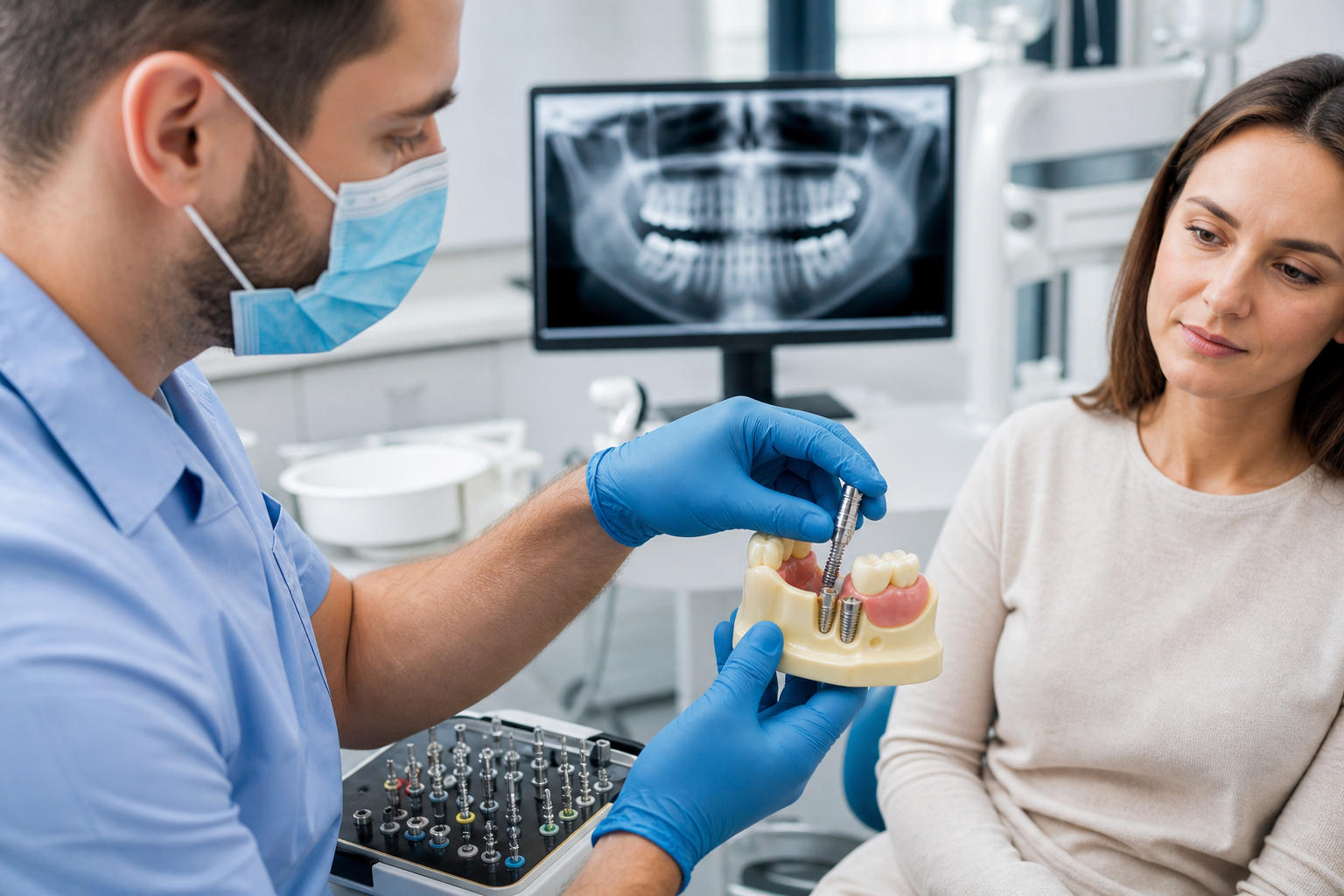
Titanium implants to replace missing teeth, planned with imaging and healing time in mind.
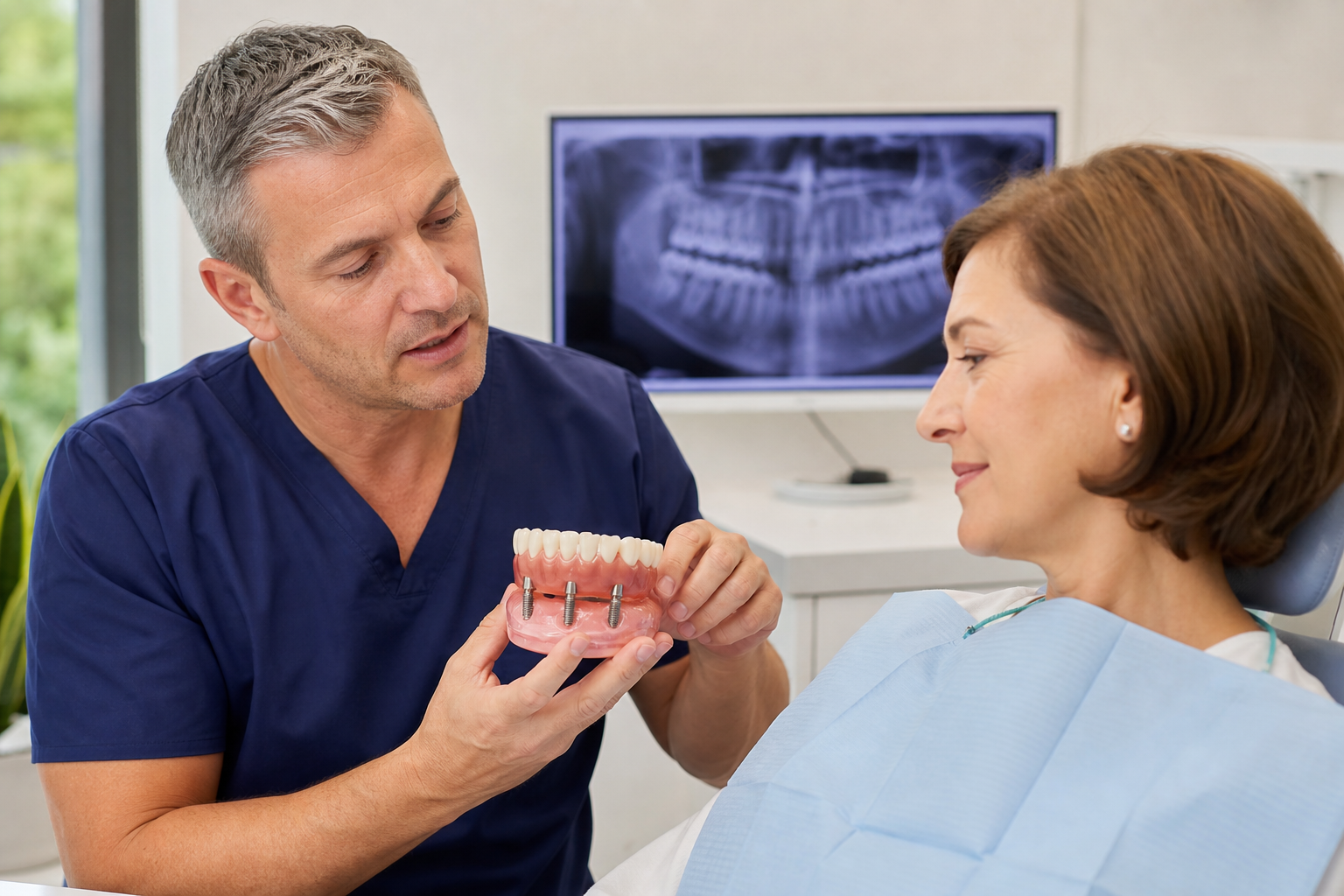
A full-arch implant concept using fewer implants, only if clinically suitable.
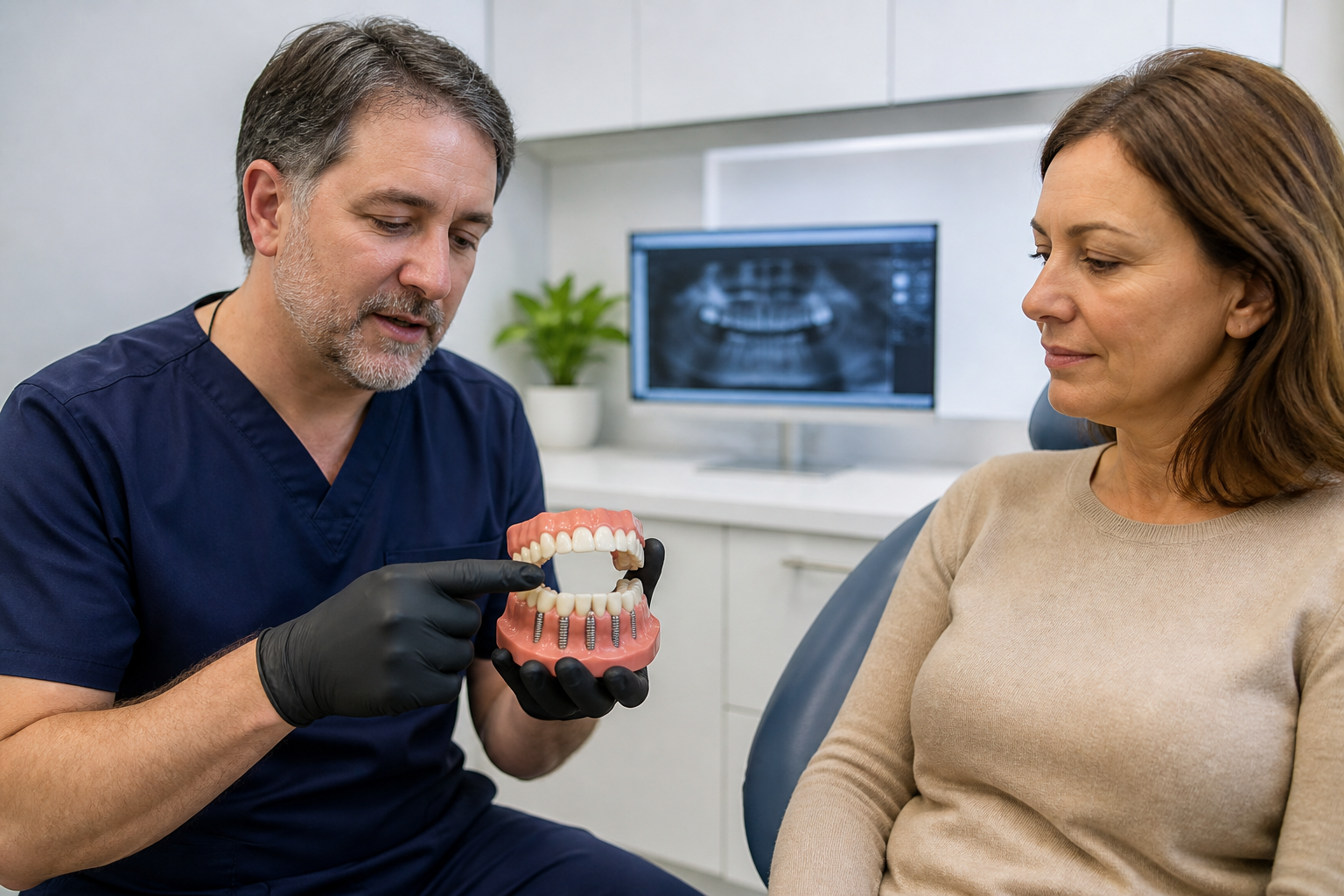
A full-arch approach using additional implants when the clinician prefers more support.
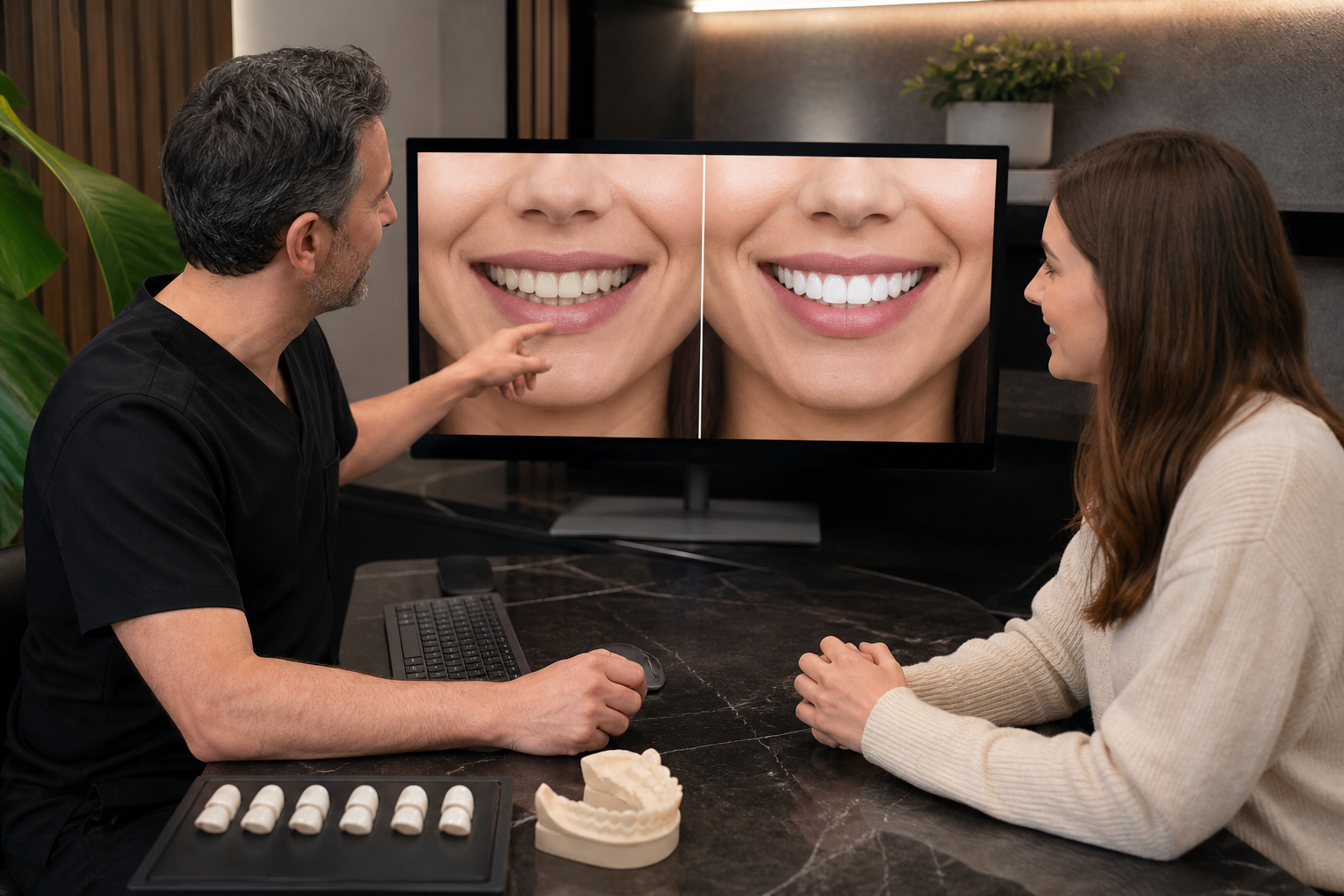
A tailored mix of aesthetic dental treatments, sequenced around travel.
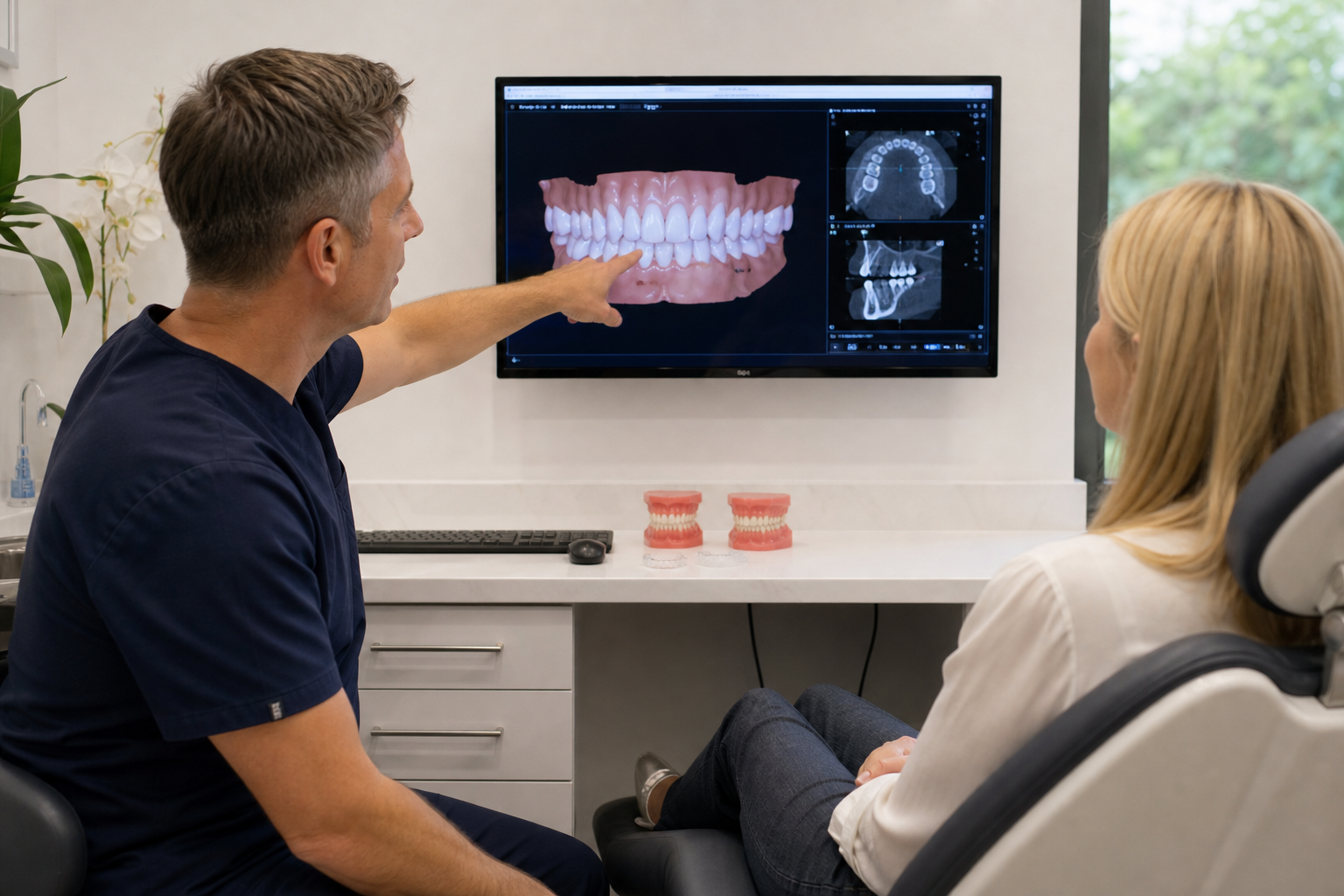
Comprehensive rehabilitation of failing or missing dentition, planned in phases when needed.
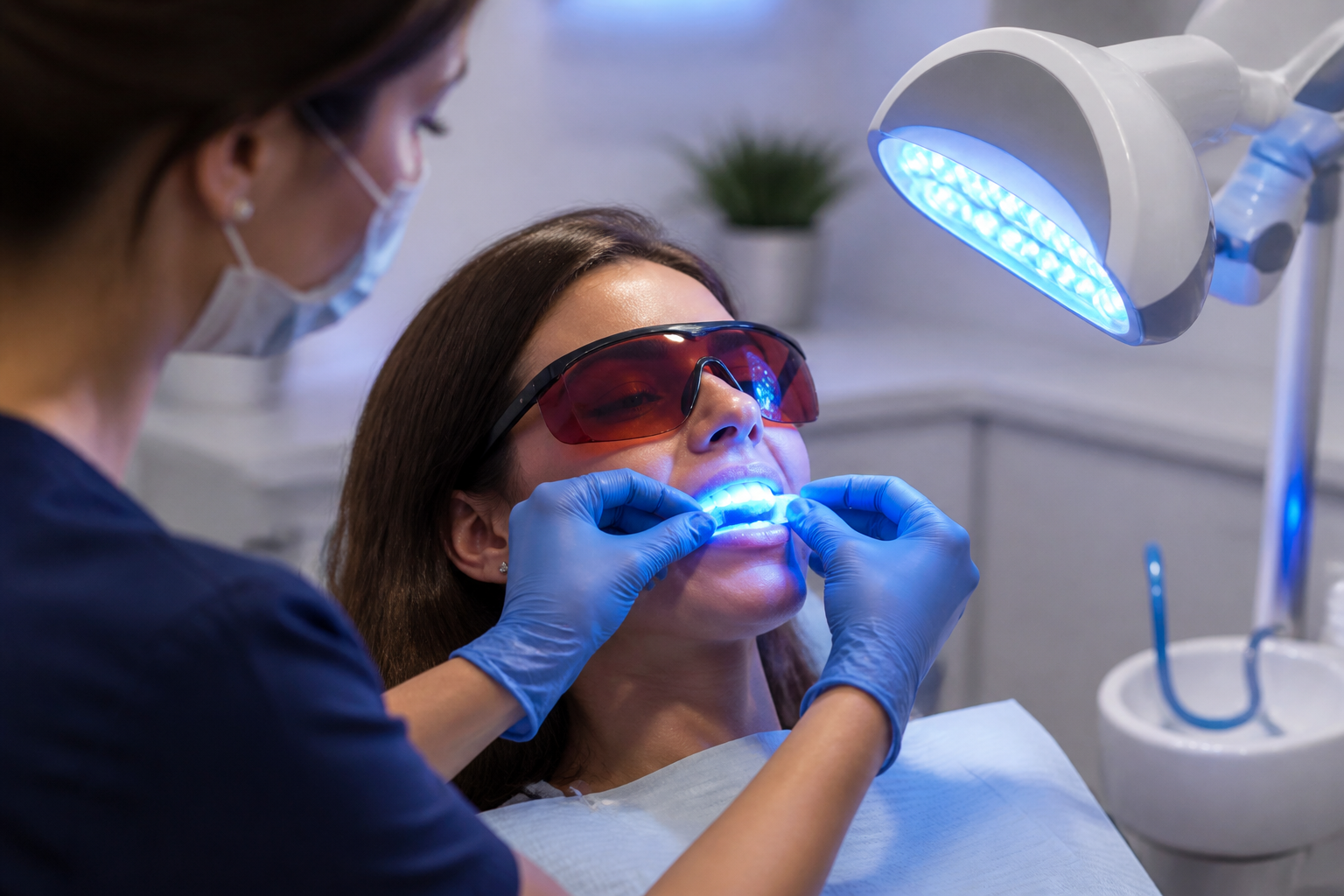
In-clinic or take-home whitening where the enamel and existing restorations allow it.

Oral and jaw surgery planned with imaging, including implant-related bone work where it is indicated.
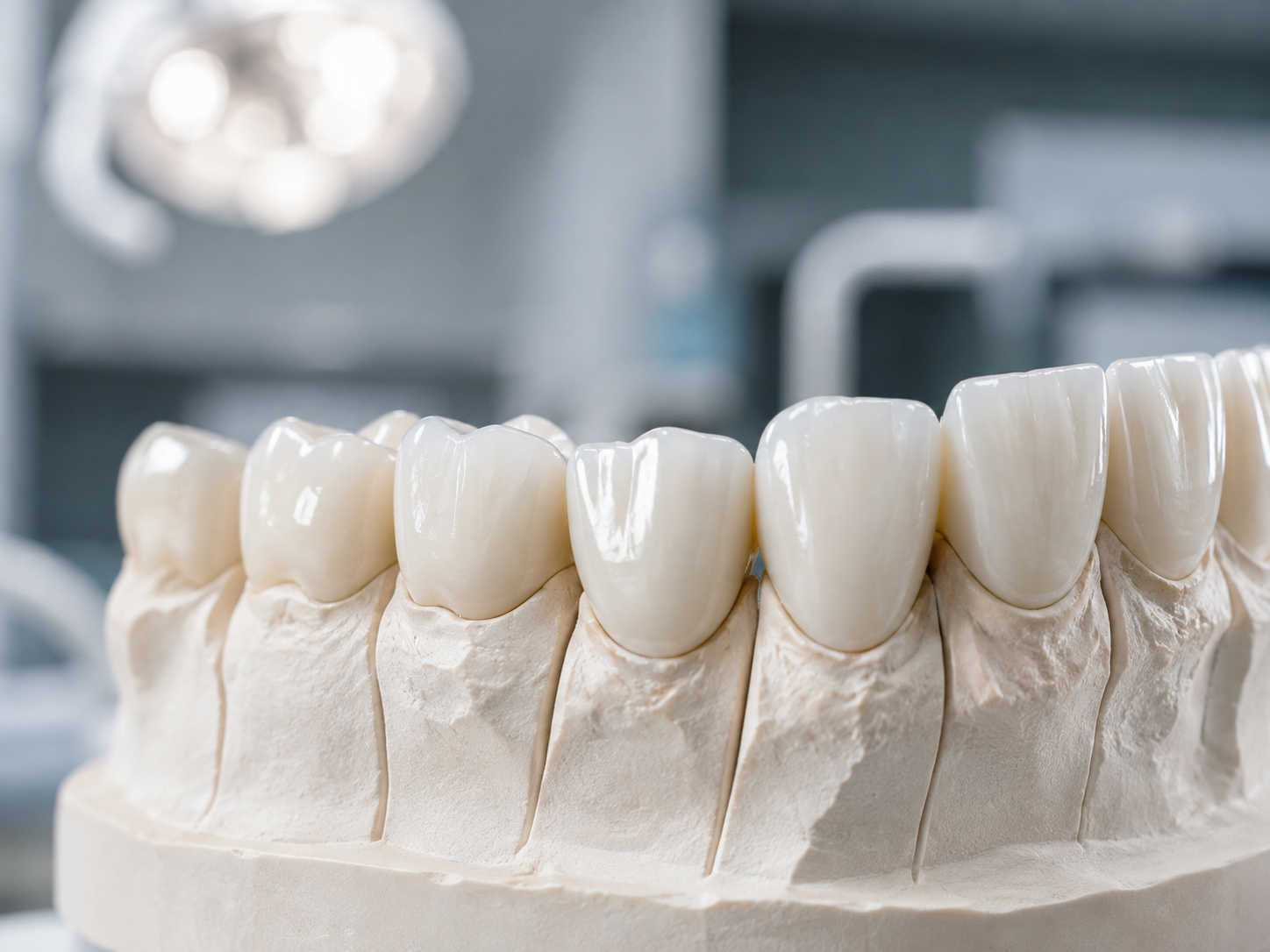
Thin ceramic veneers in lithium disilicate, planned when the bite, enamel, and smile line can support a conservative preparation.
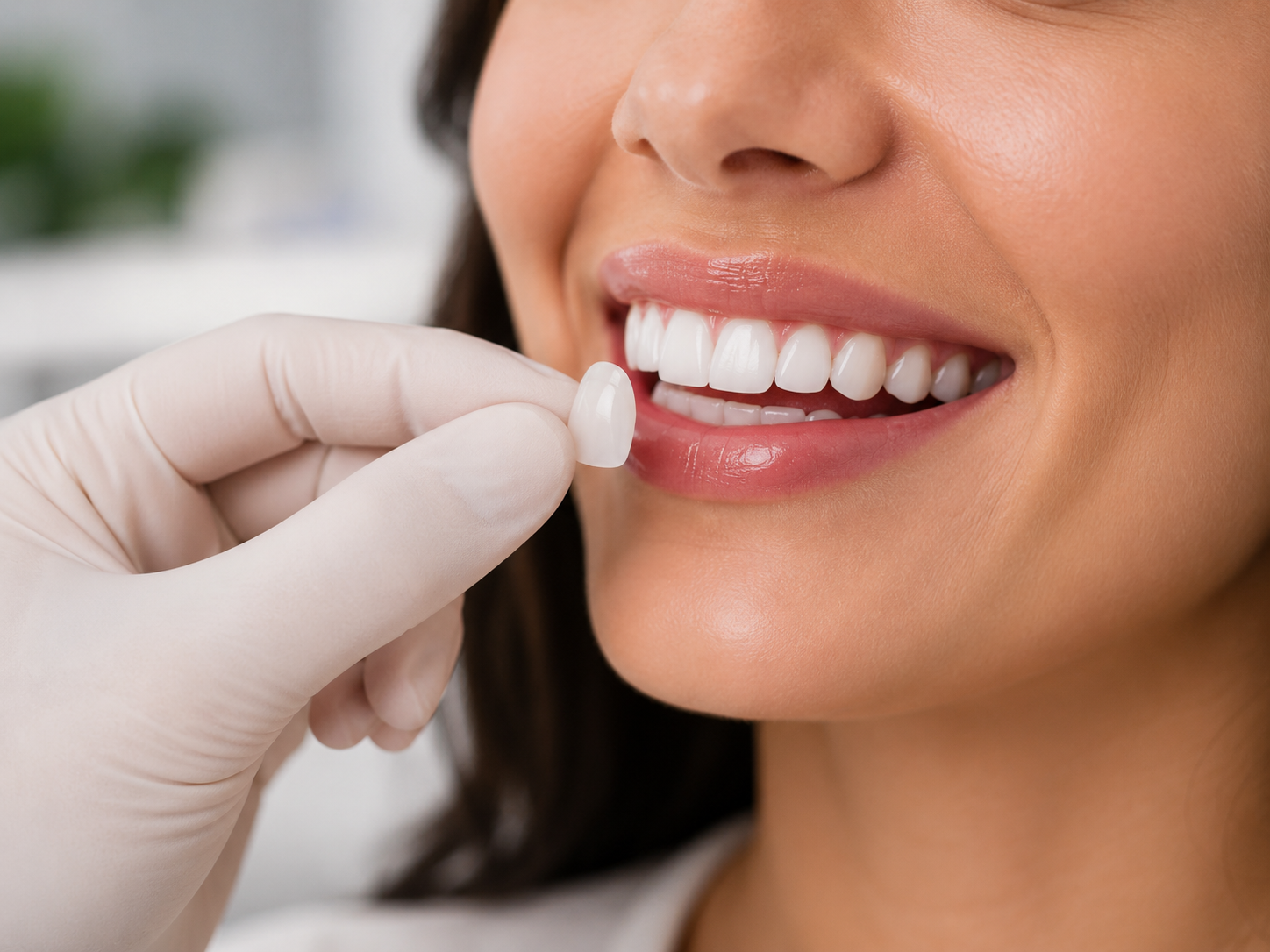
Tooth-coloured resin bonded to enamel to chip-repair, close small gaps, or change shape — faster than ceramic, less durable, and easier to stain.
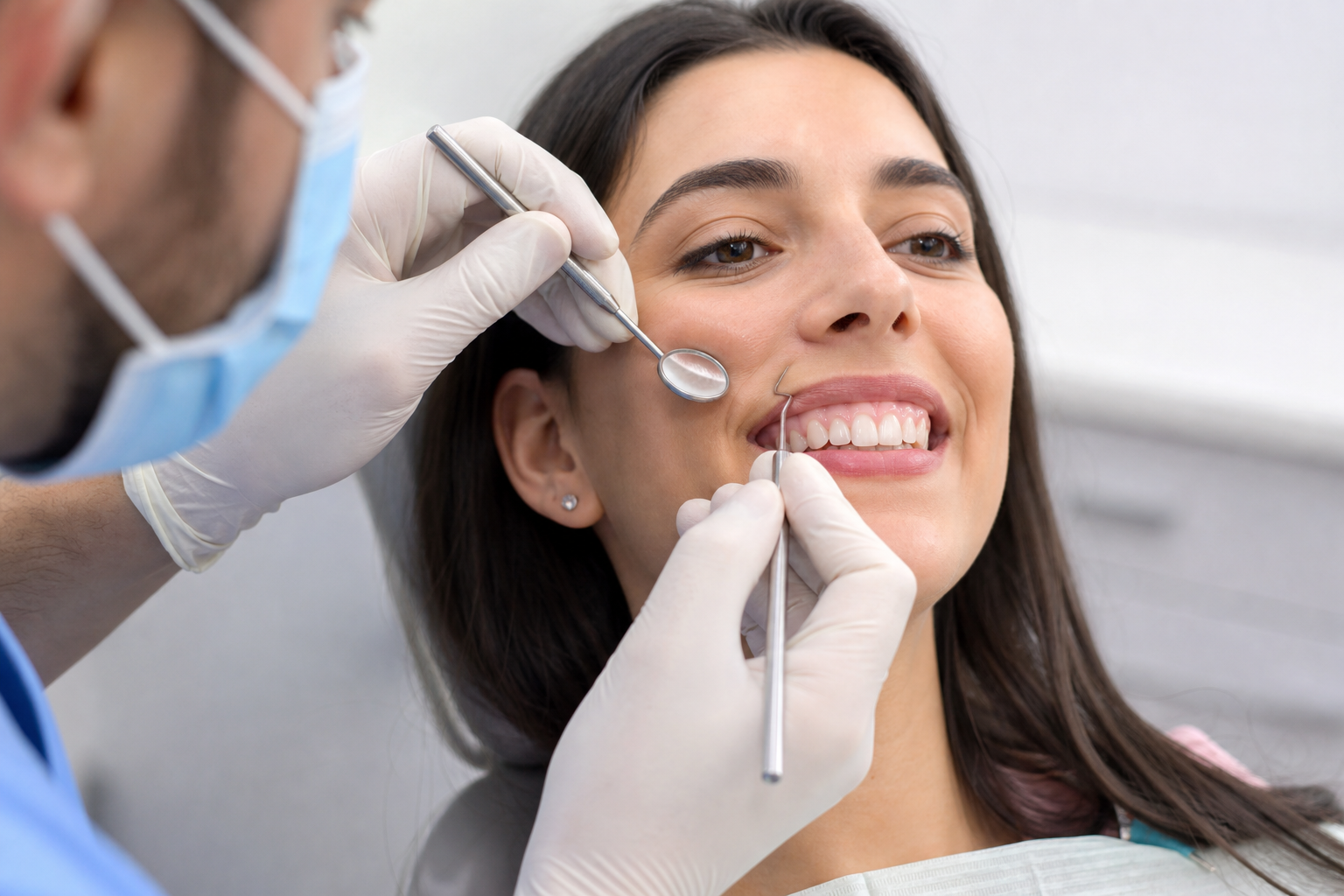
Reducing how much gum shows when you smile — by toxin, gum contouring, or other dental work — only after the cause is identified.
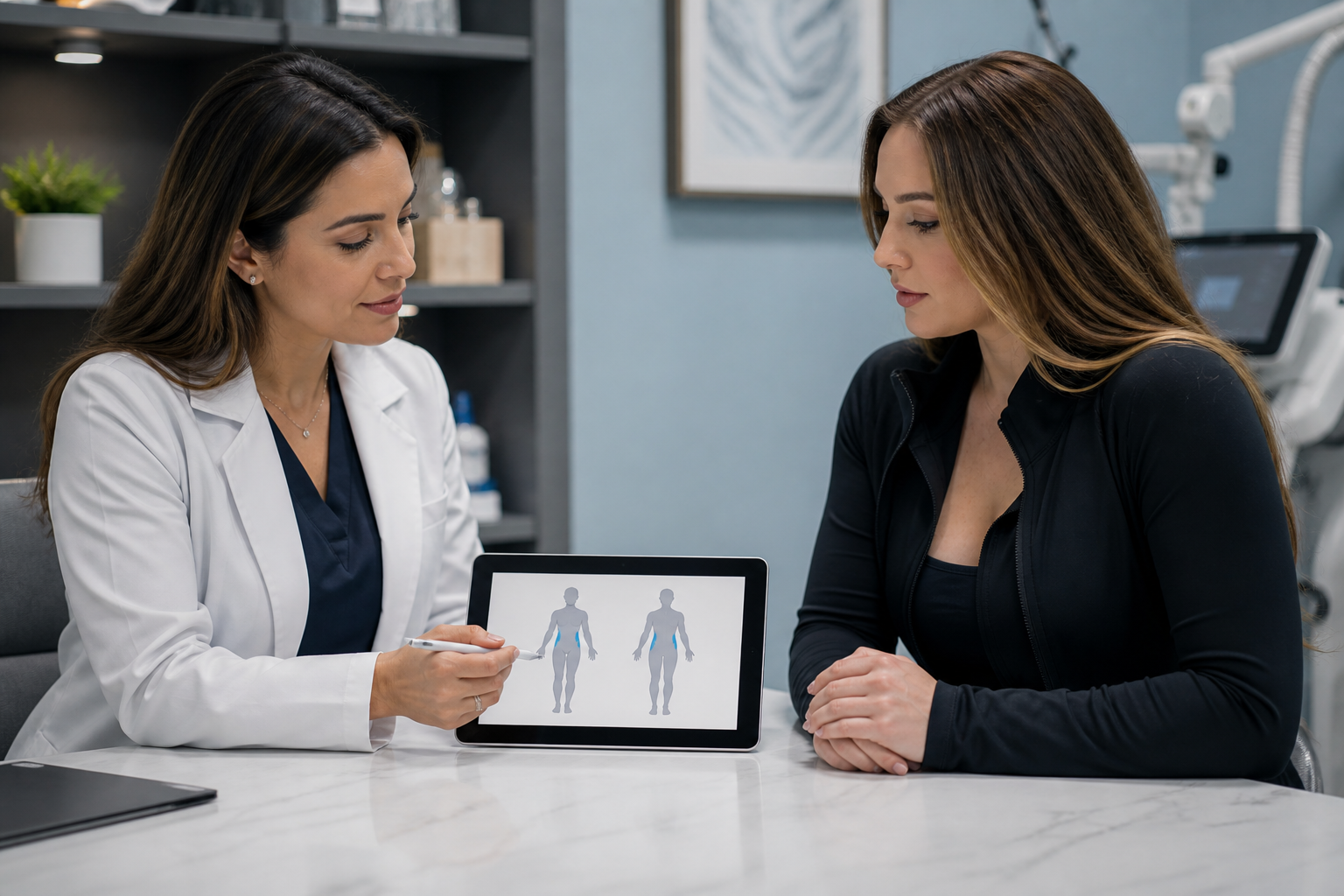
Surgical body shaping planned after examination. Staging and recovery time vary with the operation.
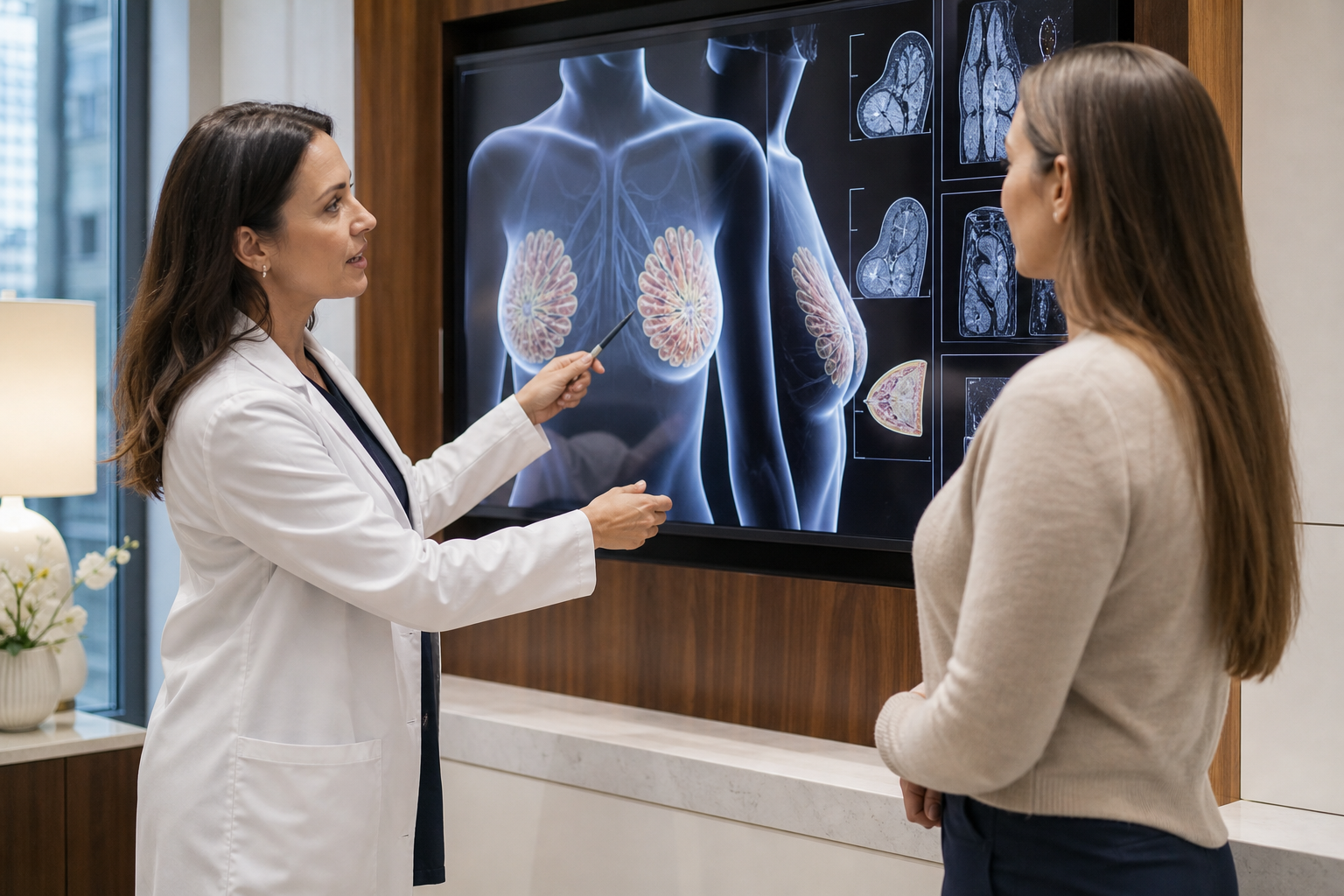
Breast aesthetic or reconstructive surgery planned with the plastic surgery team after examination.

Surgical facial procedures planned with a plastic surgeon after photographs and an in-person review.
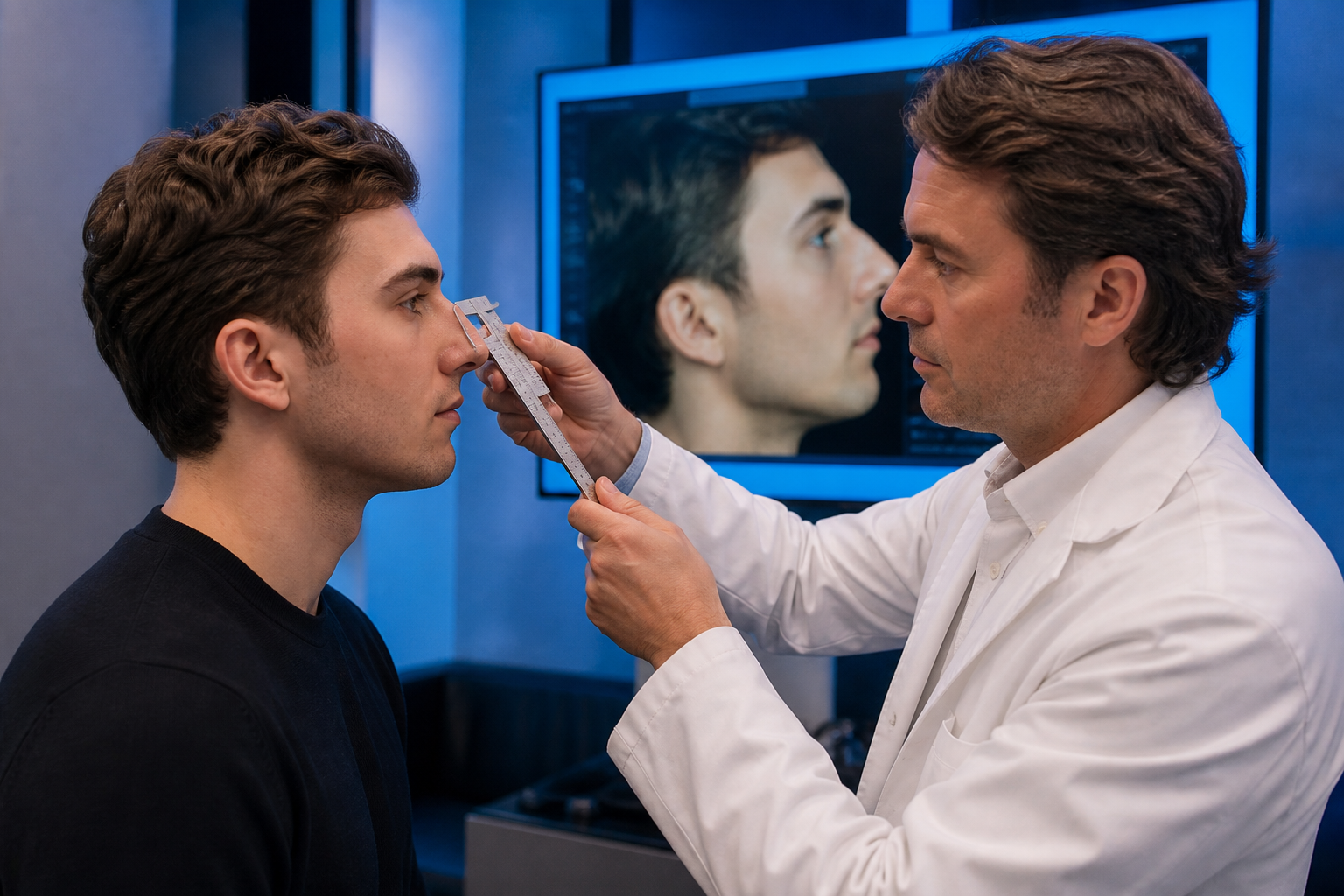
Nose surgery planned after examination. Breathing and appearance goals are discussed together.
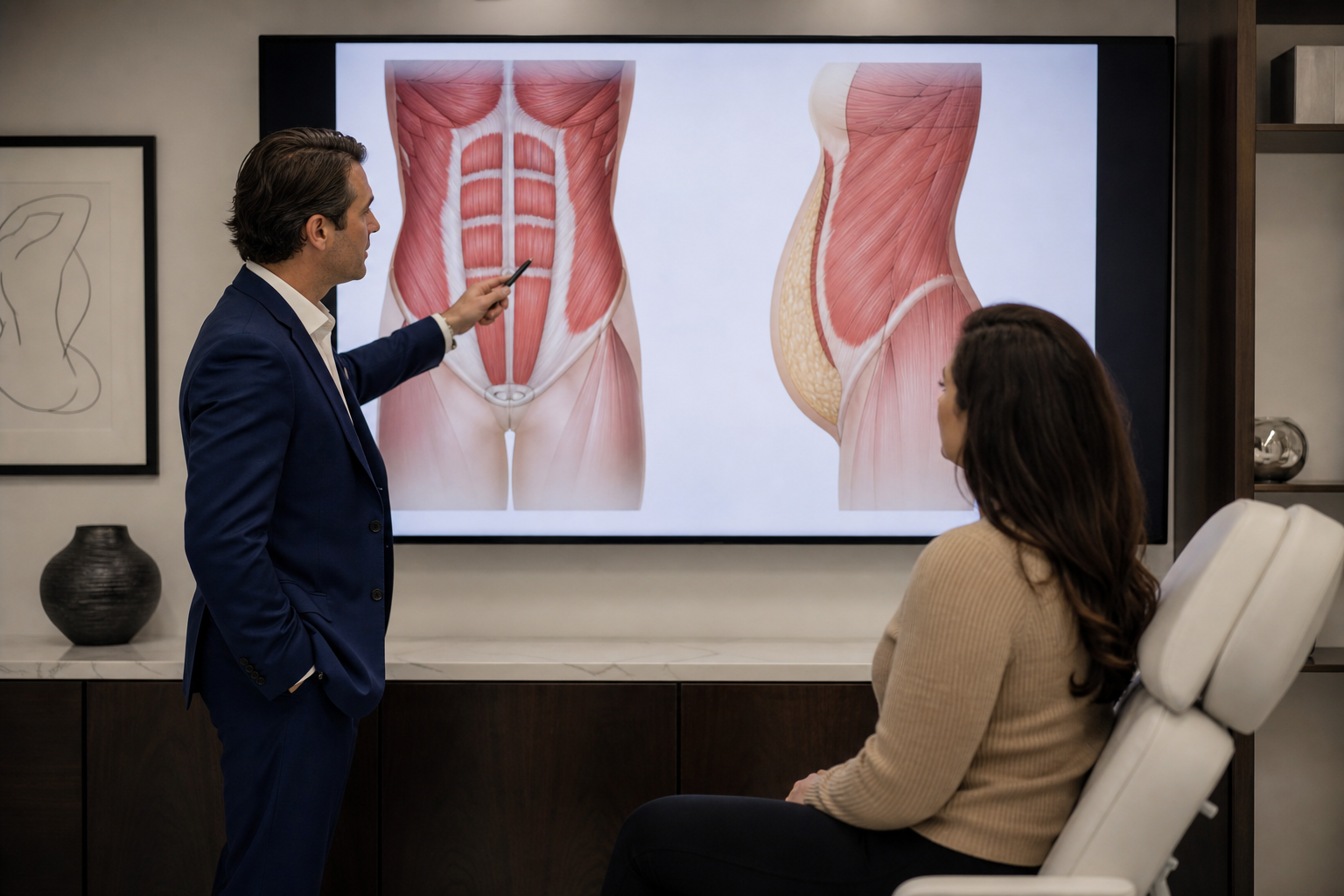
Surgical tightening of loose abdominal skin and, when needed, the muscle wall after pregnancy or large weight change.
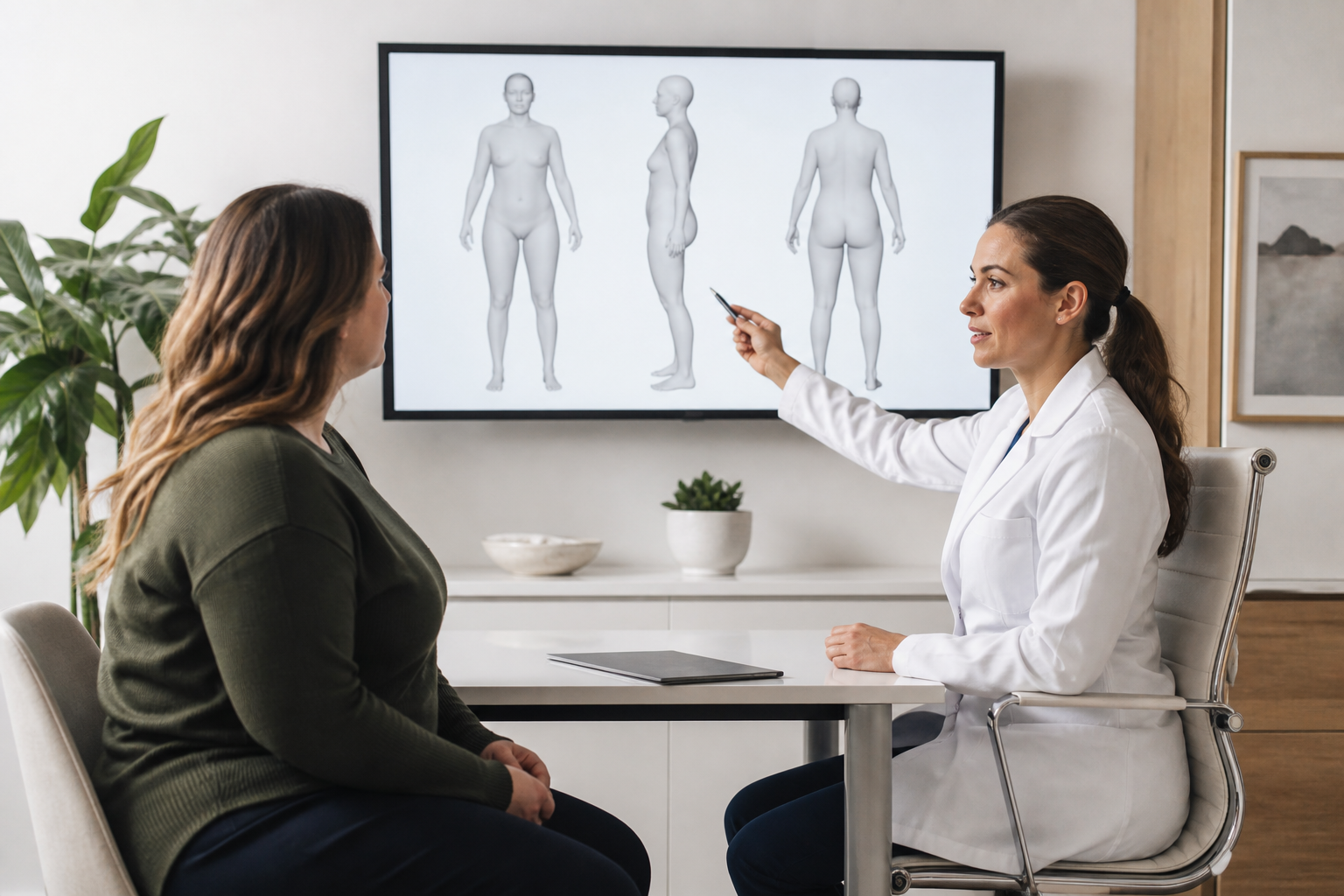
Circumferential skin tightening after large weight loss, planned only when fitness and staging make a long operation reasonable.

Surgical volume change of the buttocks using fat transfer or implants, chosen after anatomy and safety review — not from a trend photo.

Intimate plastic surgery discussed in a private consultation. Function, comfort, and recovery time matter as much as appearance.
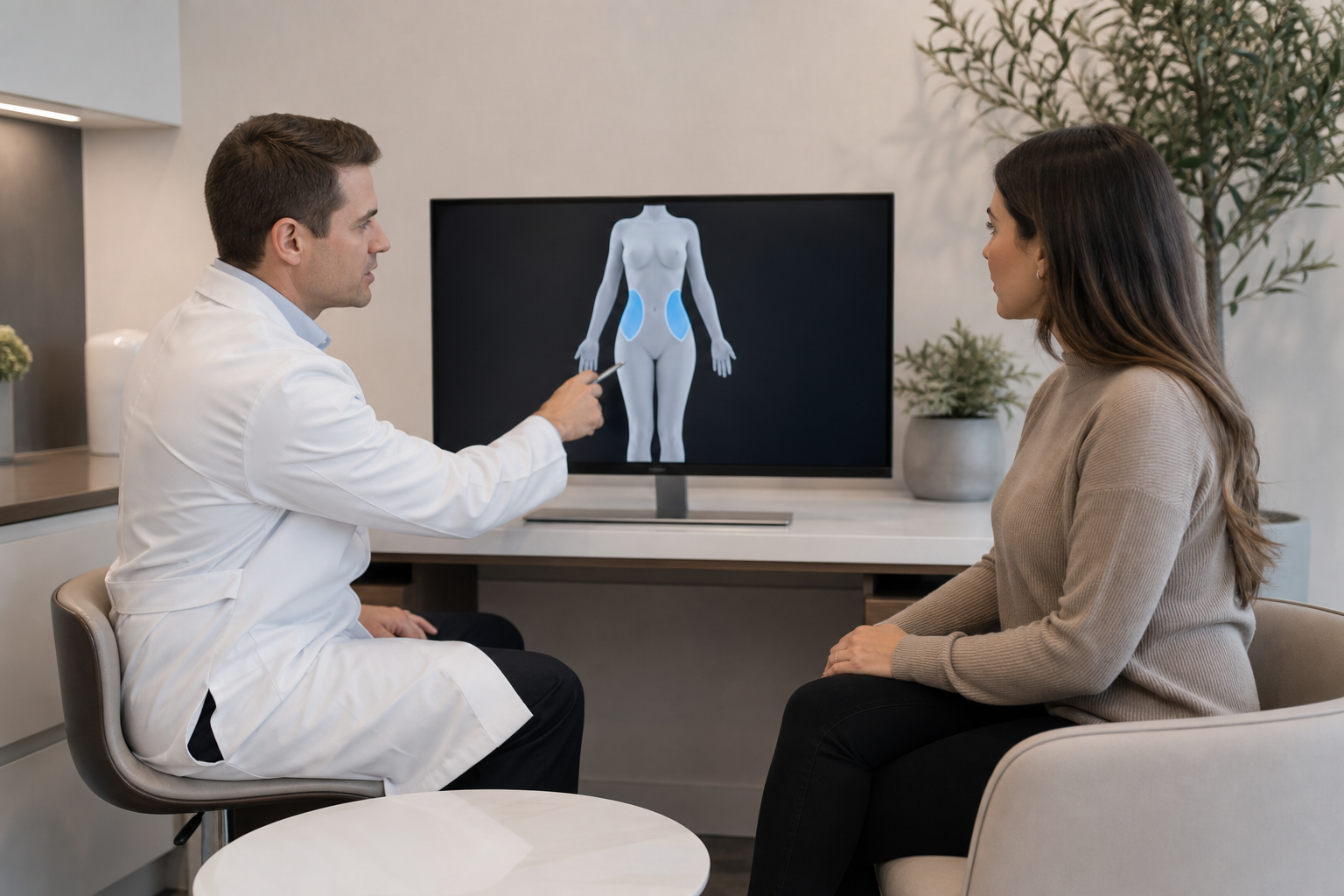
Targeted fat removal from planned areas after the surgeon checks skin quality and a safe volume limit — not a weight-loss operation.

A sequenced post-pregnancy plan that may combine breast and abdominal work — only when one theatre session remains safe.
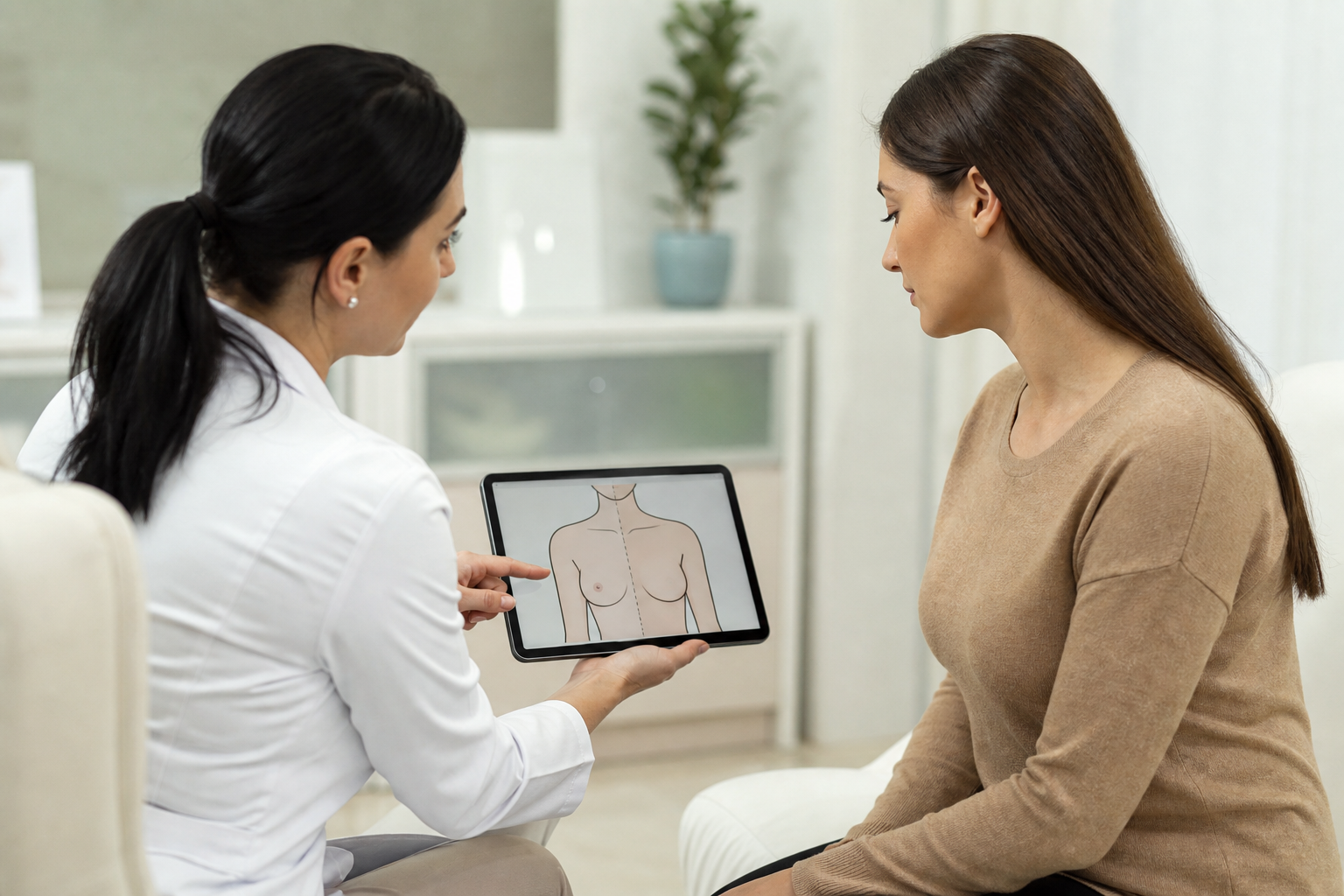
Surgery to bring two different breasts closer in shape or volume, planned side by side rather than as a standard implant pair.

Volume increase with implants or, less often, fat transfer, planned after chest measurements and a health review.
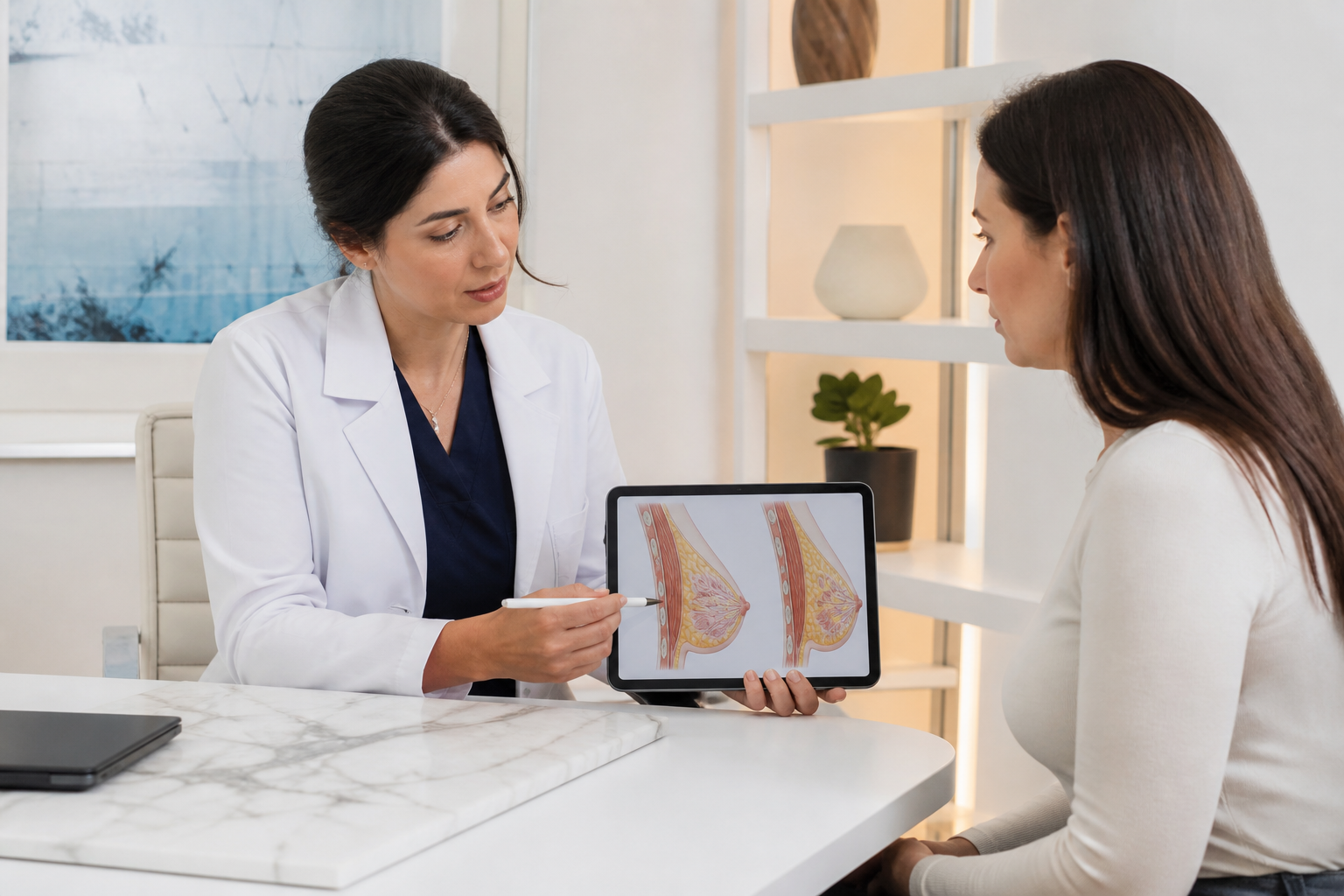
A lift reshapes and raises breast tissue. It treats position and skin, not volume, unless an implant is added on purpose.

Reduction eases weight and neck or back strain by removing tissue and reshaping what remains — planned as function first, then form.

Surgery for male chest fullness after the team separates true gland tissue from fat and checks hormones or medication causes.
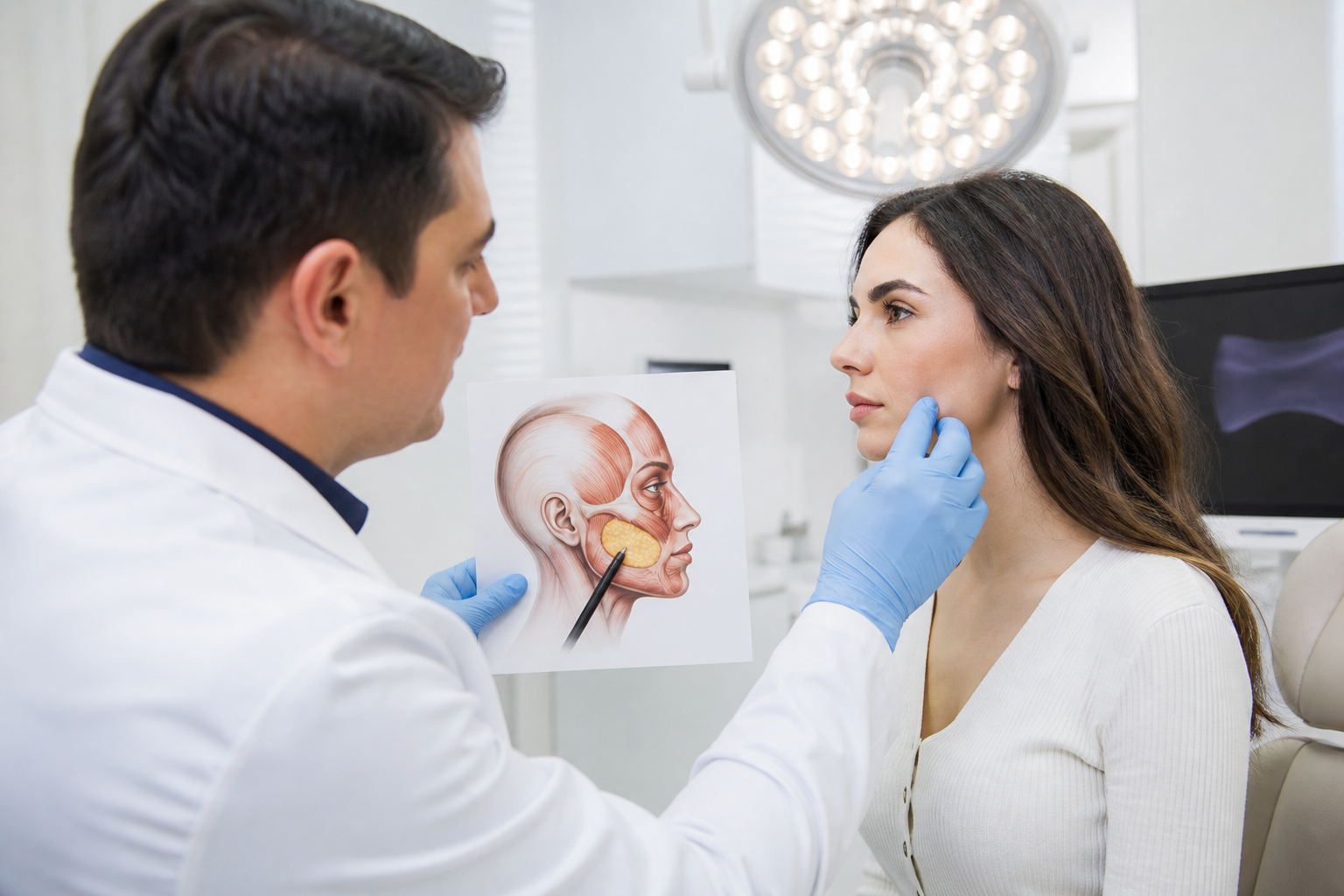
Selective removal of buccal fat to refine the lower cheek, offered only when the face is unlikely to look gaunt as you age.
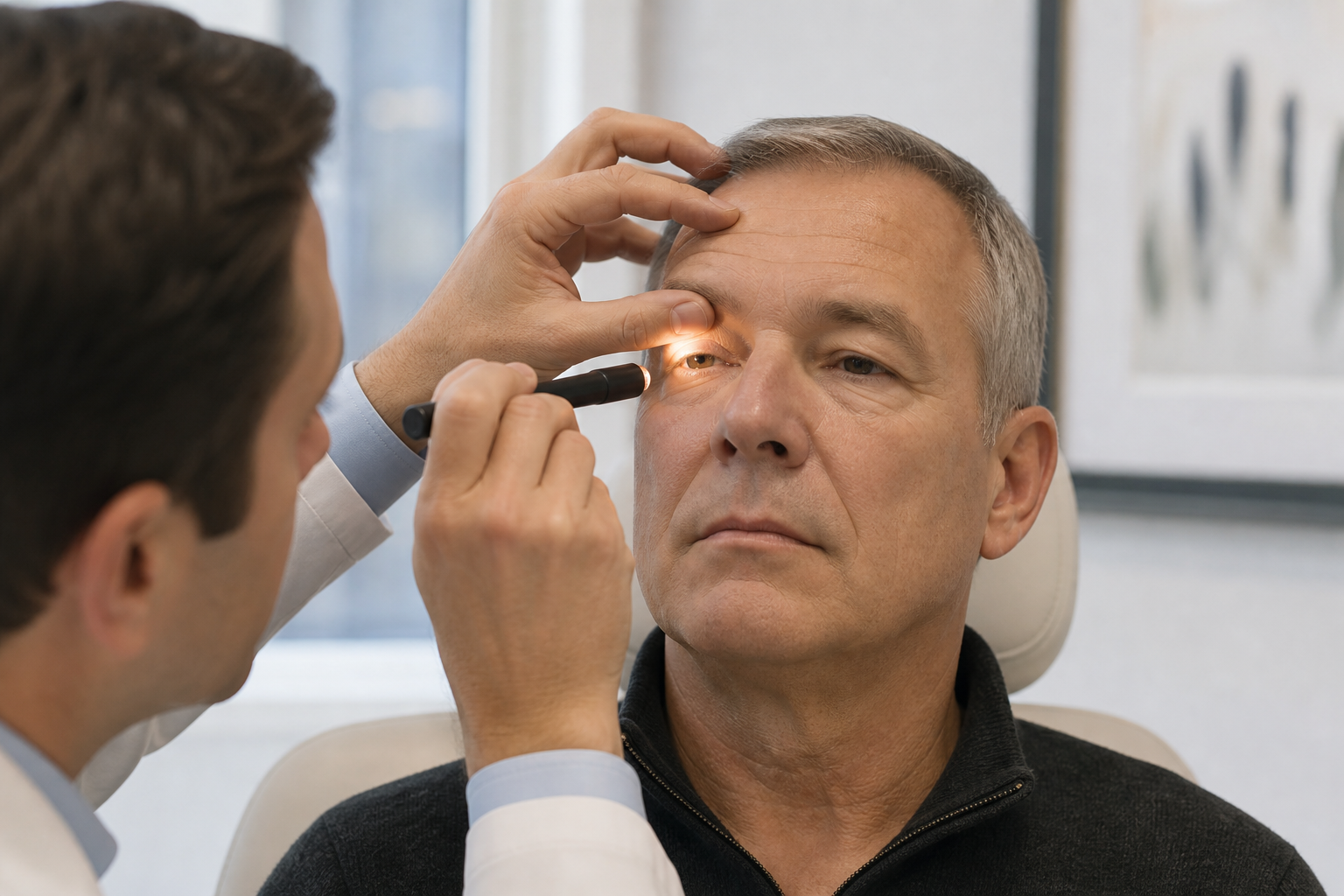
Eyelid surgery to reduce hooding or lower-lid bags, planned with eye comfort and dry-eye history in mind — not only a photograph.
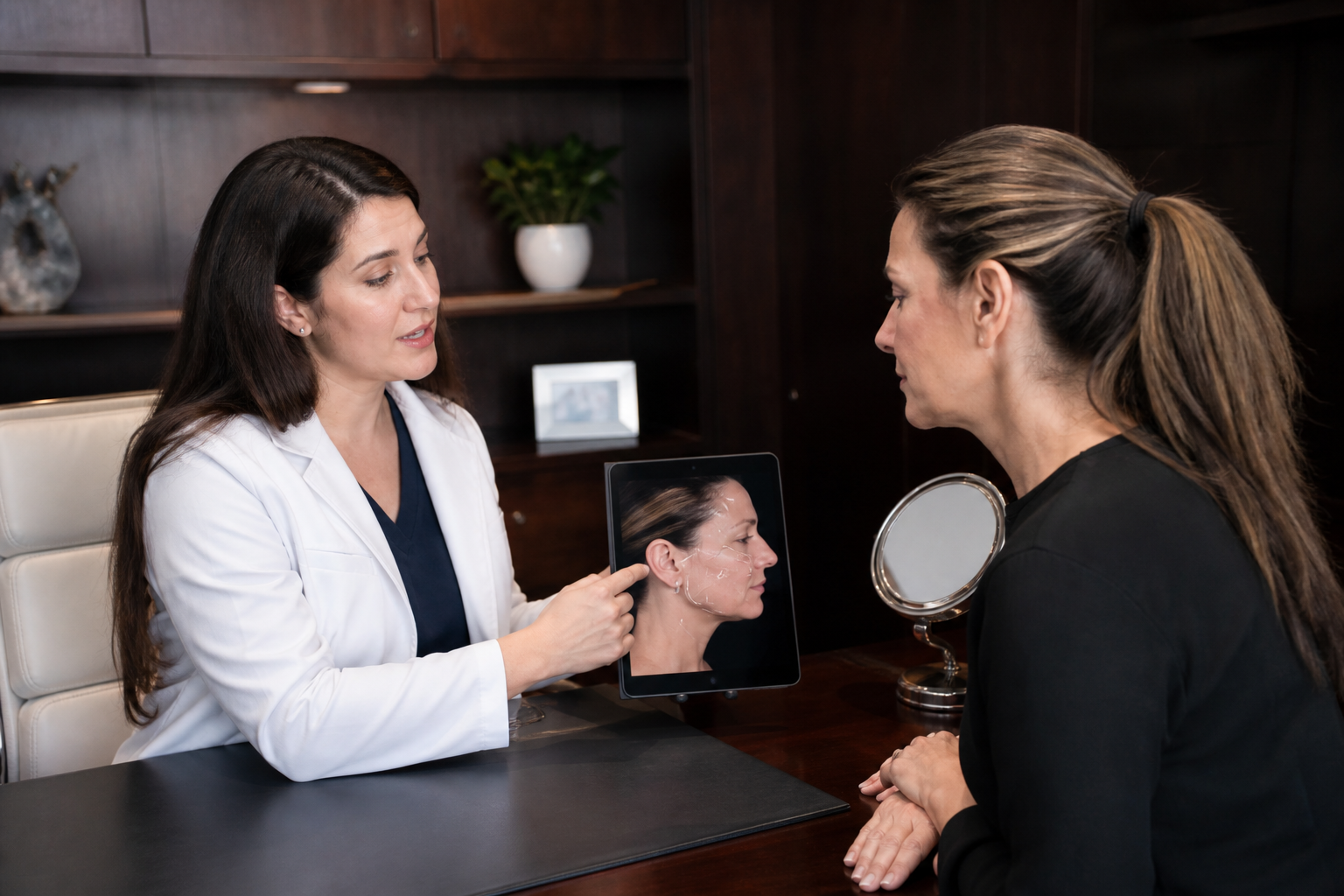
Surgical repositioning of deeper facial layers and skin, planned for jowls and neck laxity that injectables cannot honestly treat.
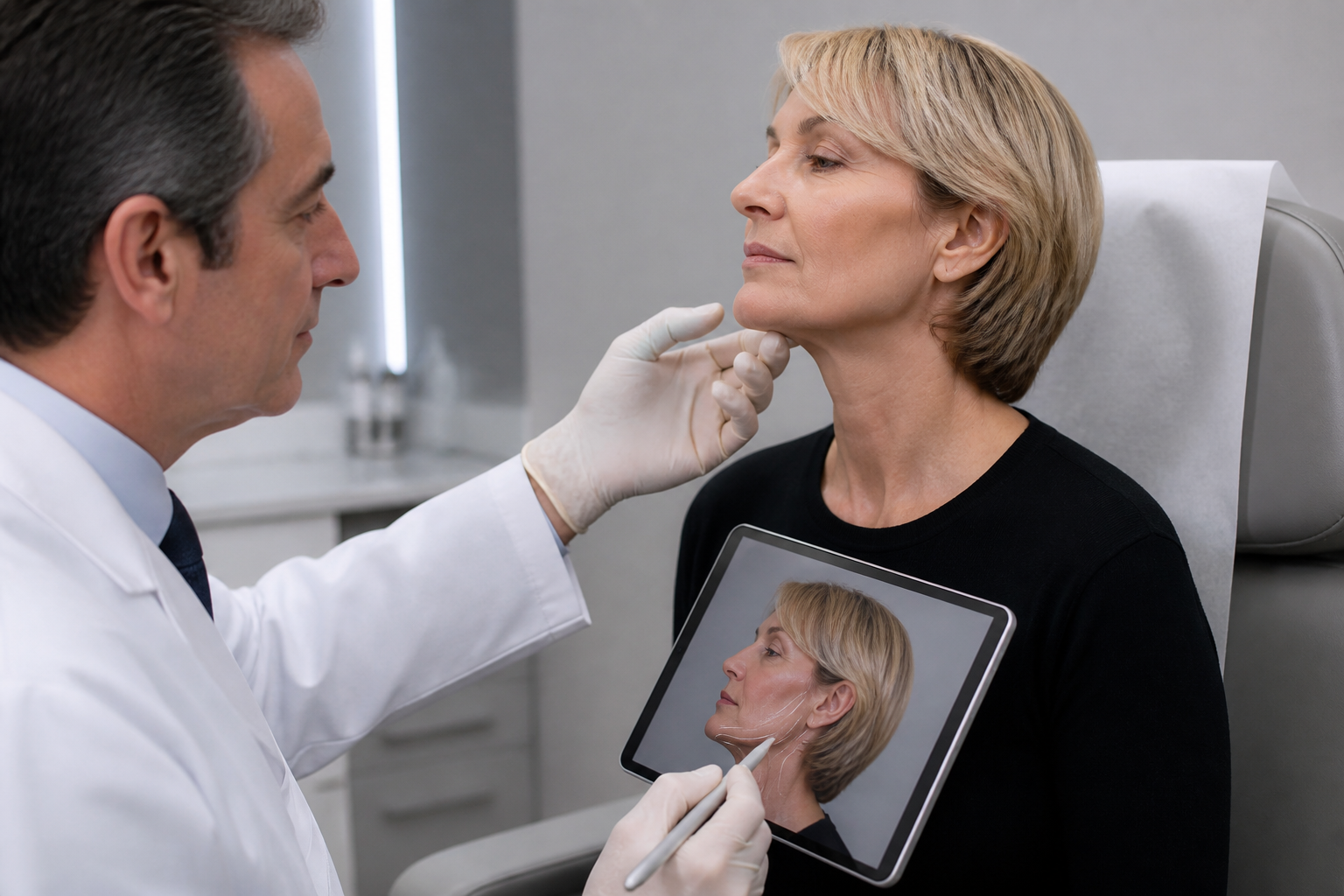
Surgery for a loose or banded neck, planned on its own or with a facelift when the jawline and neck must move together.
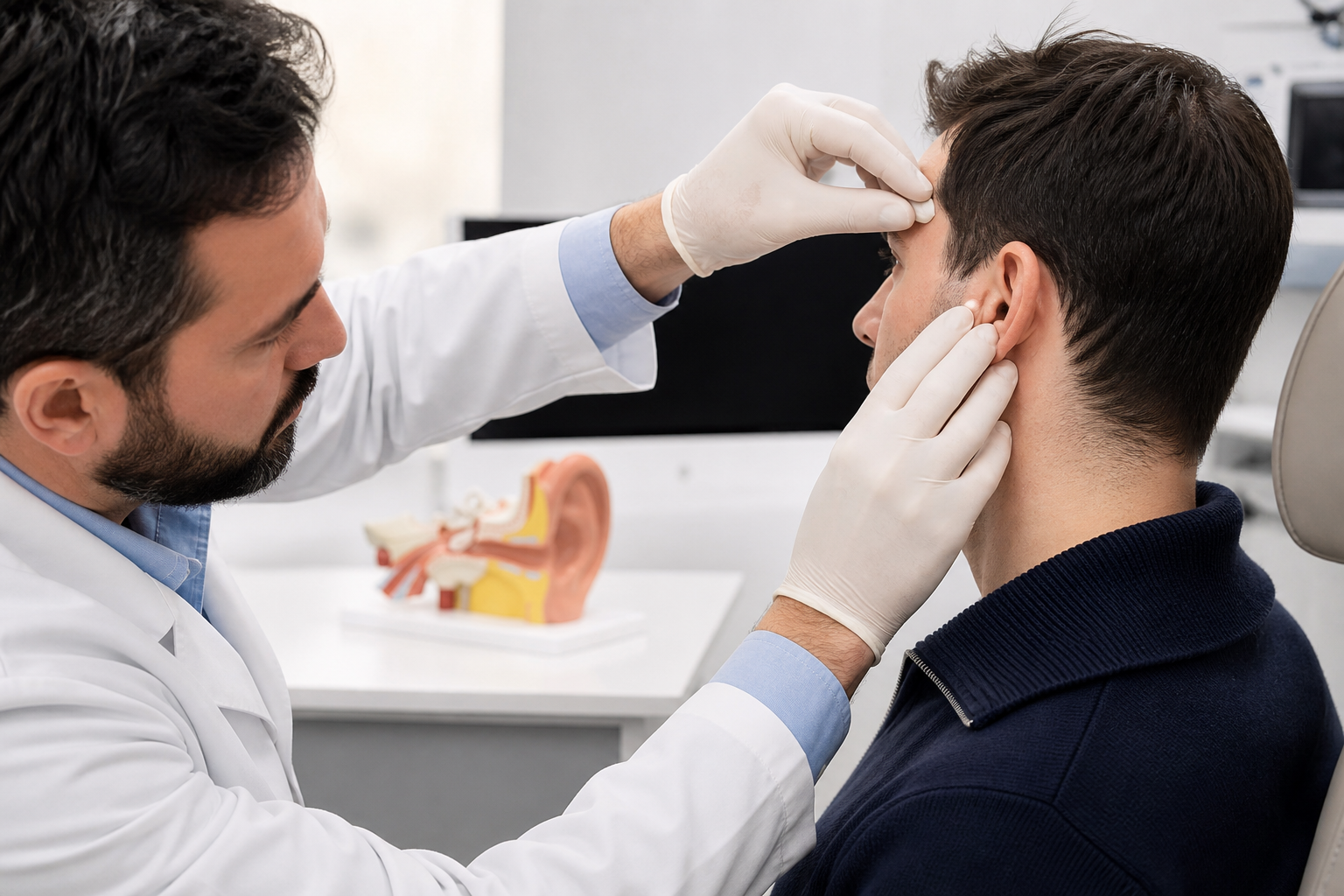
Surgery to set back or reshape prominent ears, planned for comfort with glasses, hair, and a headband period after the operation.
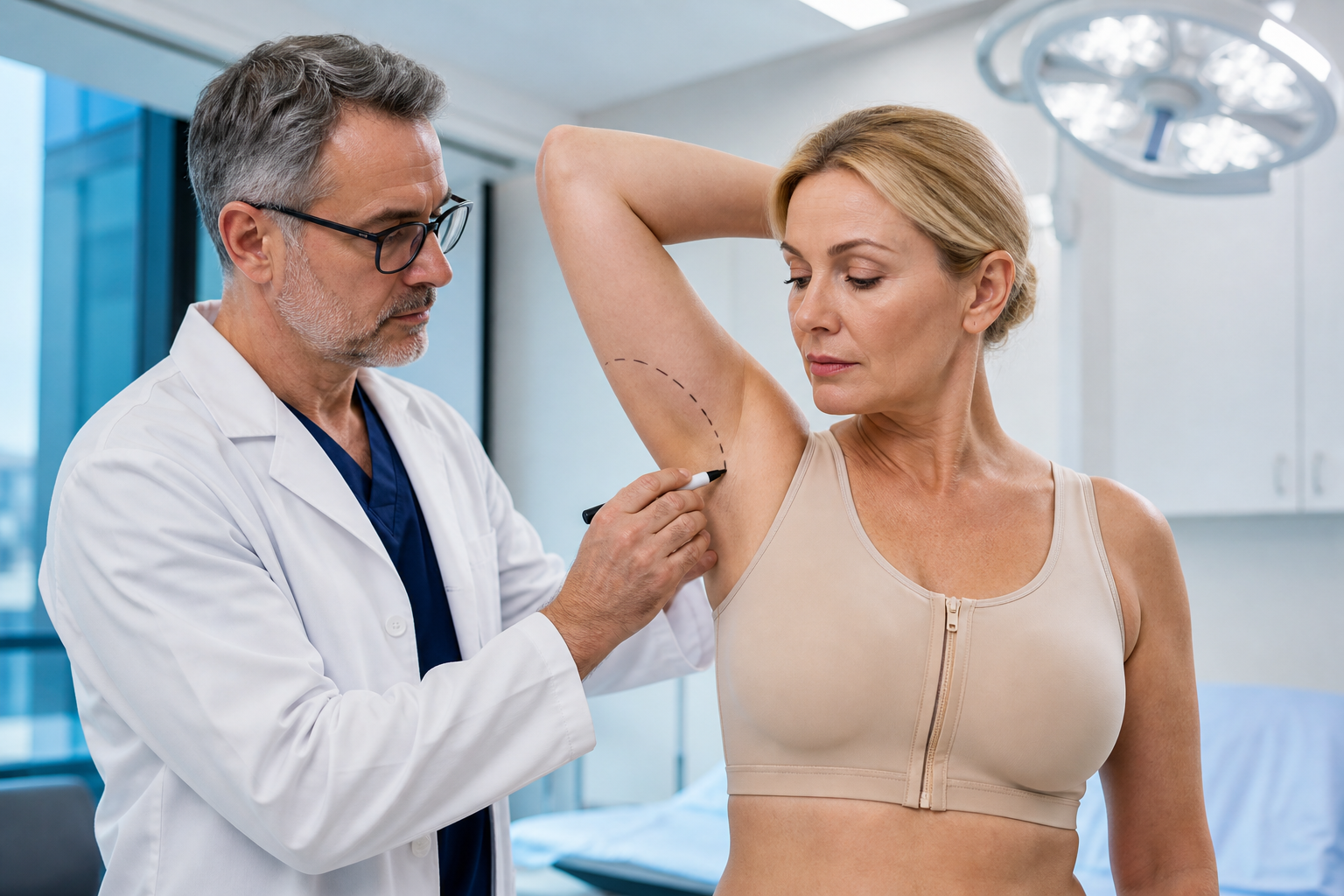
Surgical removal of hanging inner-arm skin after large weight loss or ageing, accepted only when a visible scar is understood in advance.
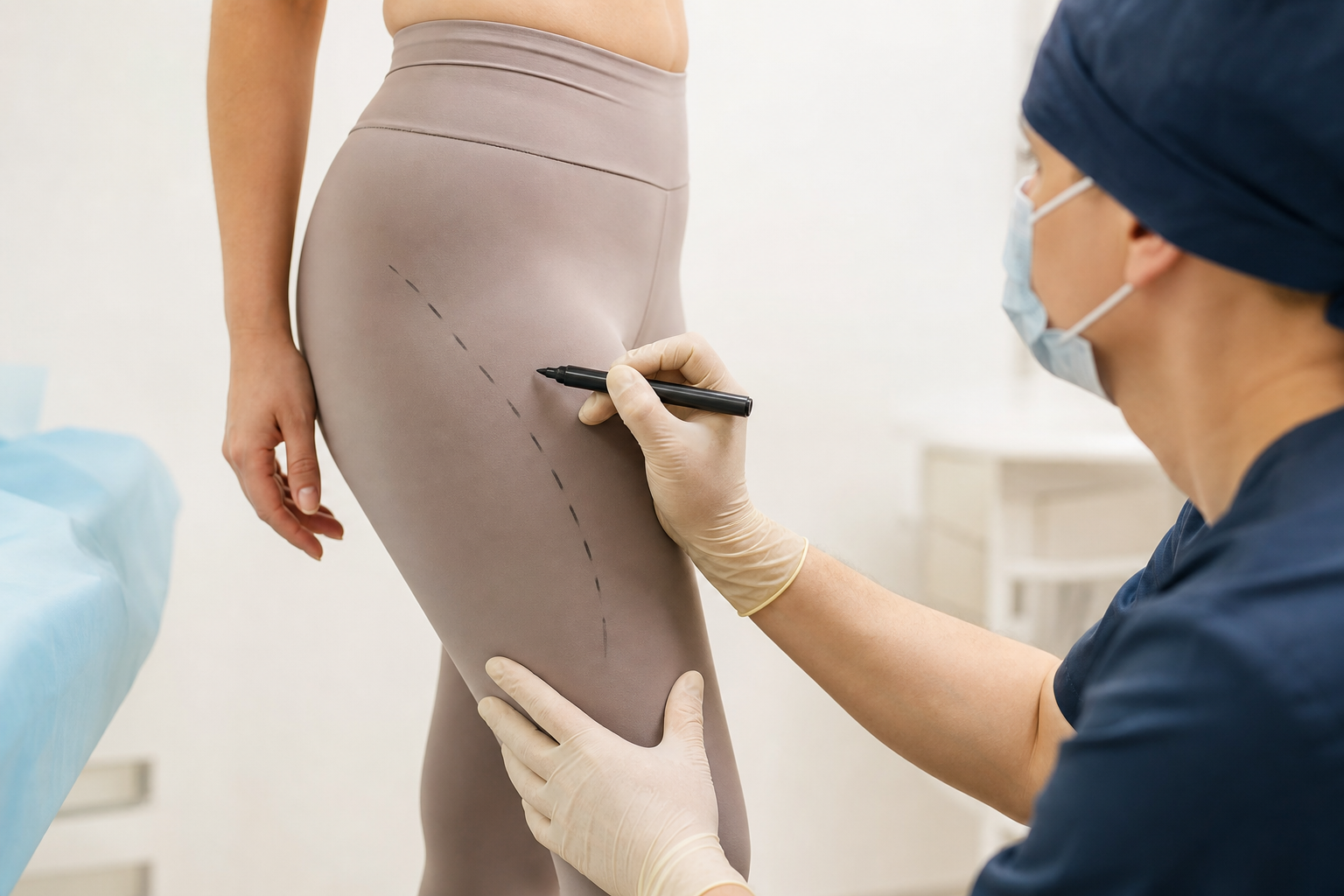
Excision of loose thigh skin after major weight loss, with inner, outer, or more extensive patterns chosen after examination — not from a trend name.
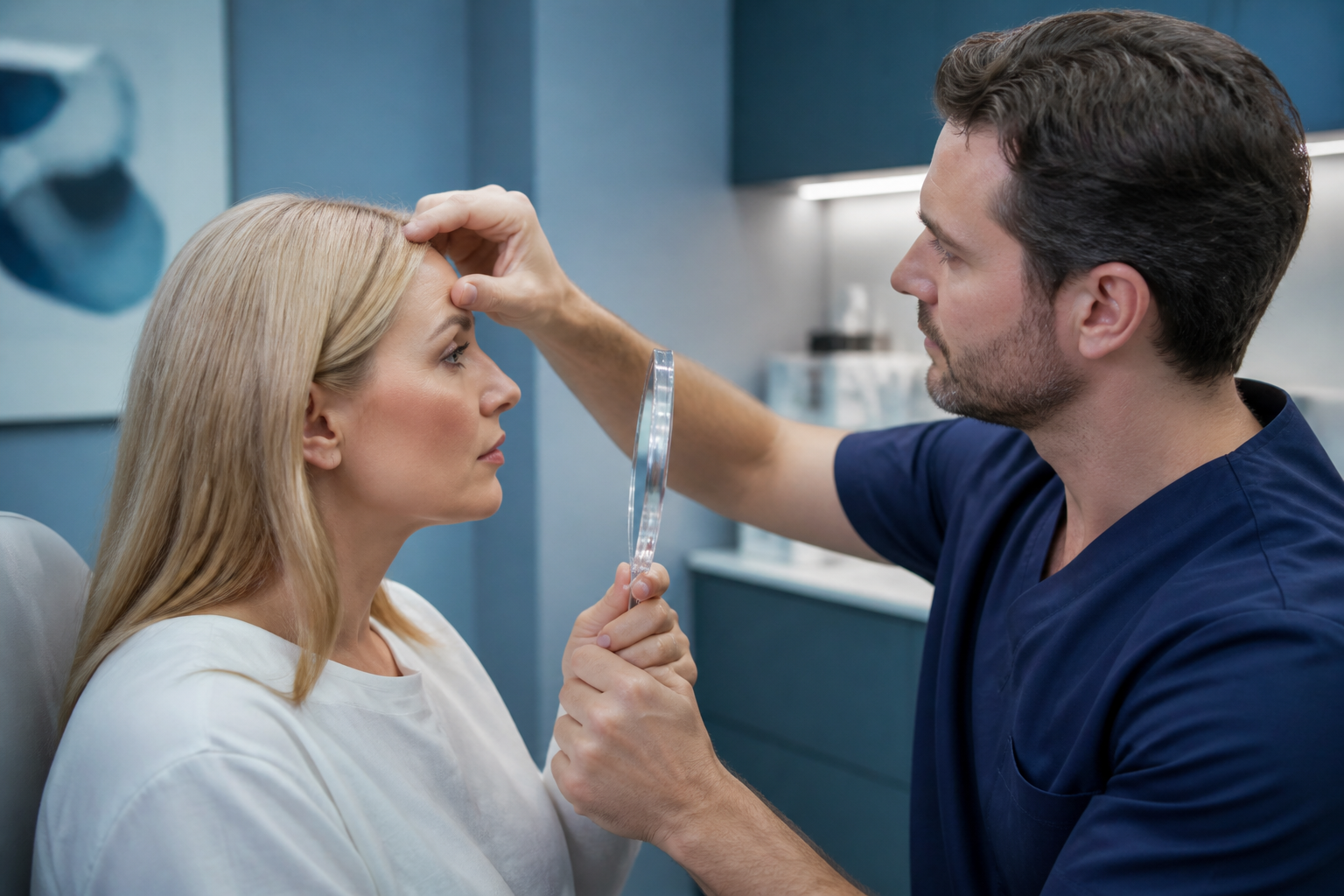
Surgical elevation of a low or asymmetric brow when forehead descent, not only extra eyelid skin, is driving a tired look.

A second or later nose operation to improve breathing or shape after a previous rhinoplasty — only when tissues have settled and material remains usable.
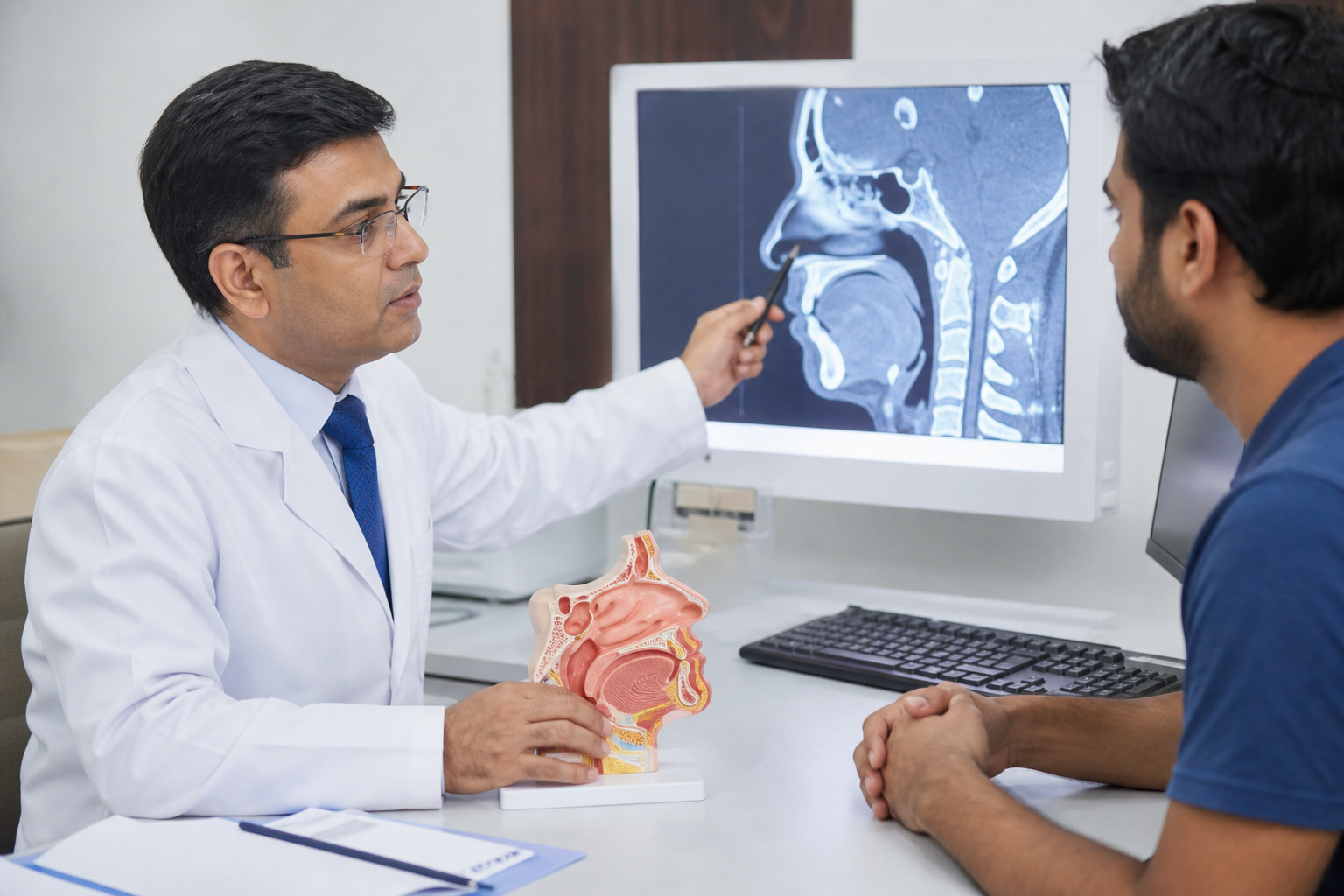
Straightening a deviated septum to improve airflow. It is not a cosmetic nose job unless the surgeon also plans a rhinoplasty.
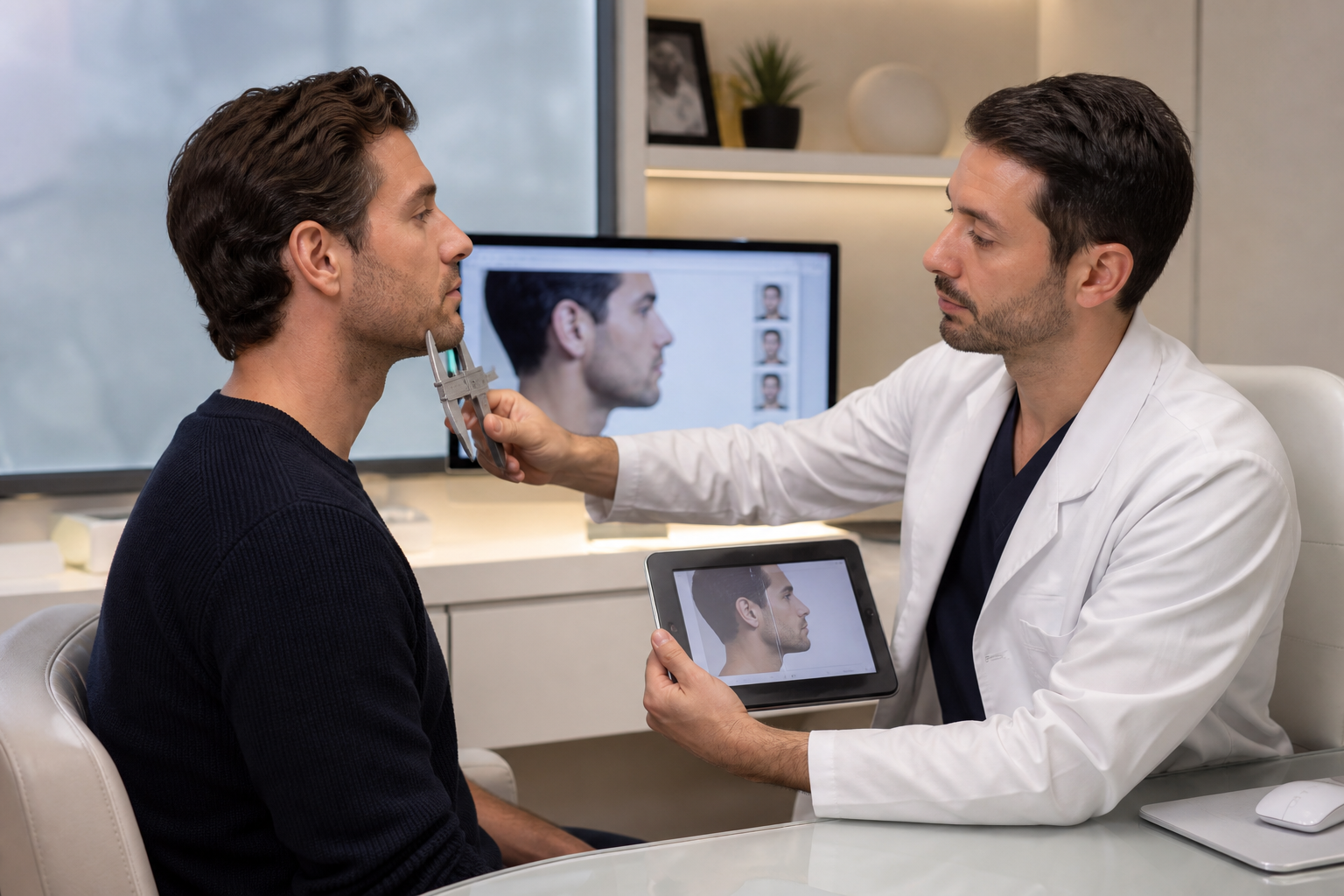
Adding projection to a recessed chin with an implant or, less often, bone work — only after bite and profile are examined together.
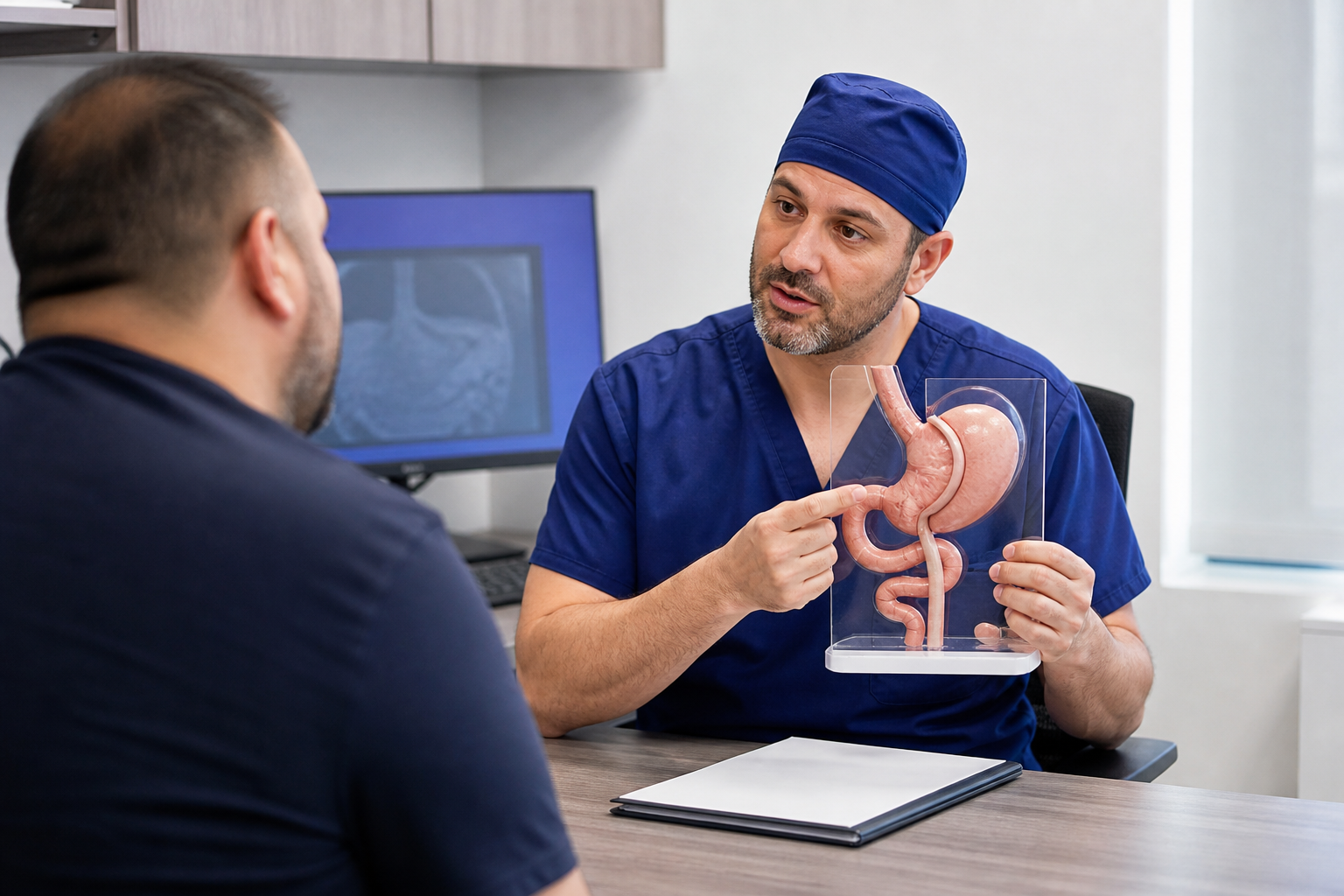
Bariatric gastric bypass planned only after a surgeon reviews BMI, comorbidities, and nutrition.

Sleeve gastrectomy planned after medical evaluation, not as an online package.

An endoscopic balloon option discussed when surgery is not the first recommendation.
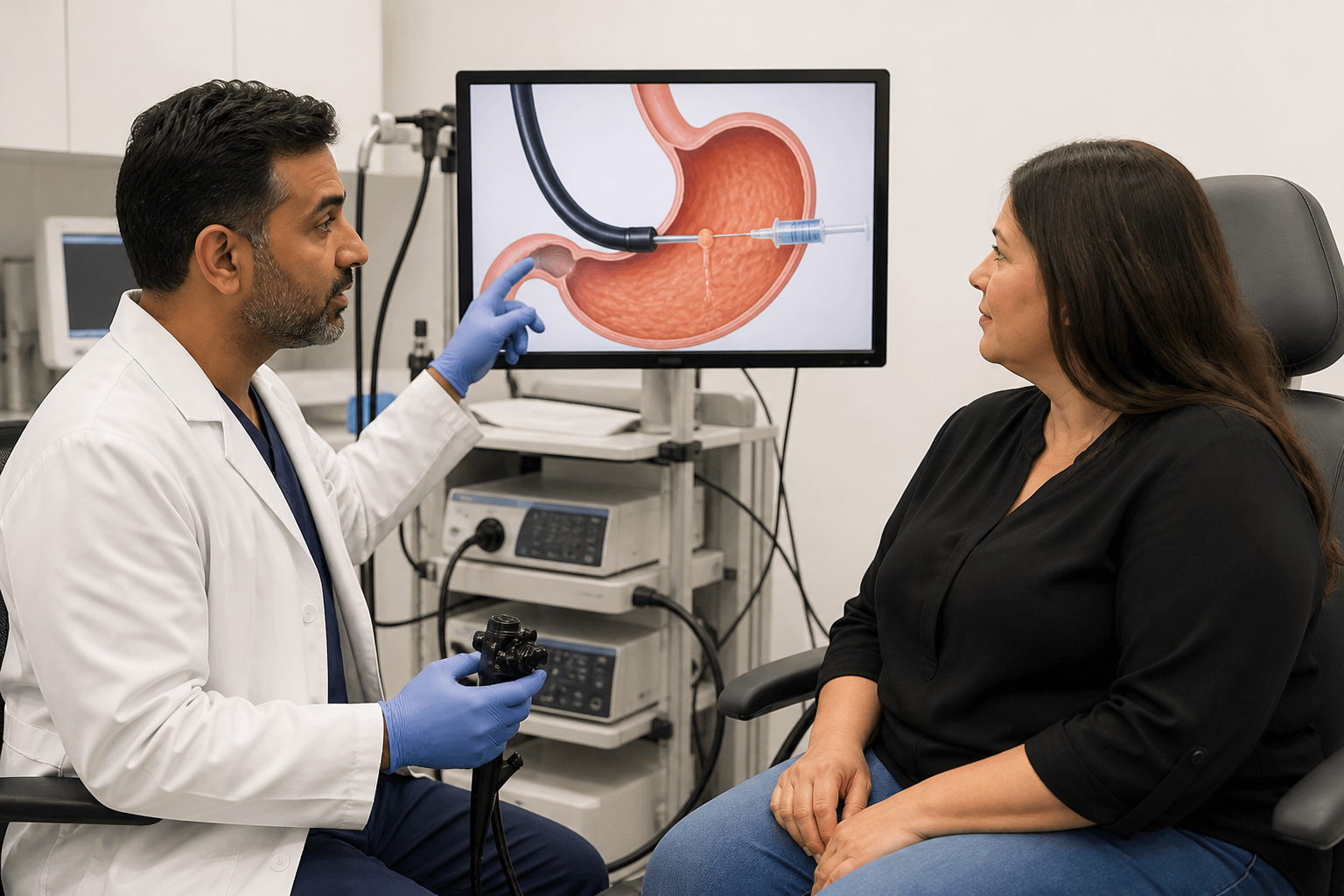
An endoscopic stomach botulinum toxin option, not a substitute for indicated bariatric surgery.
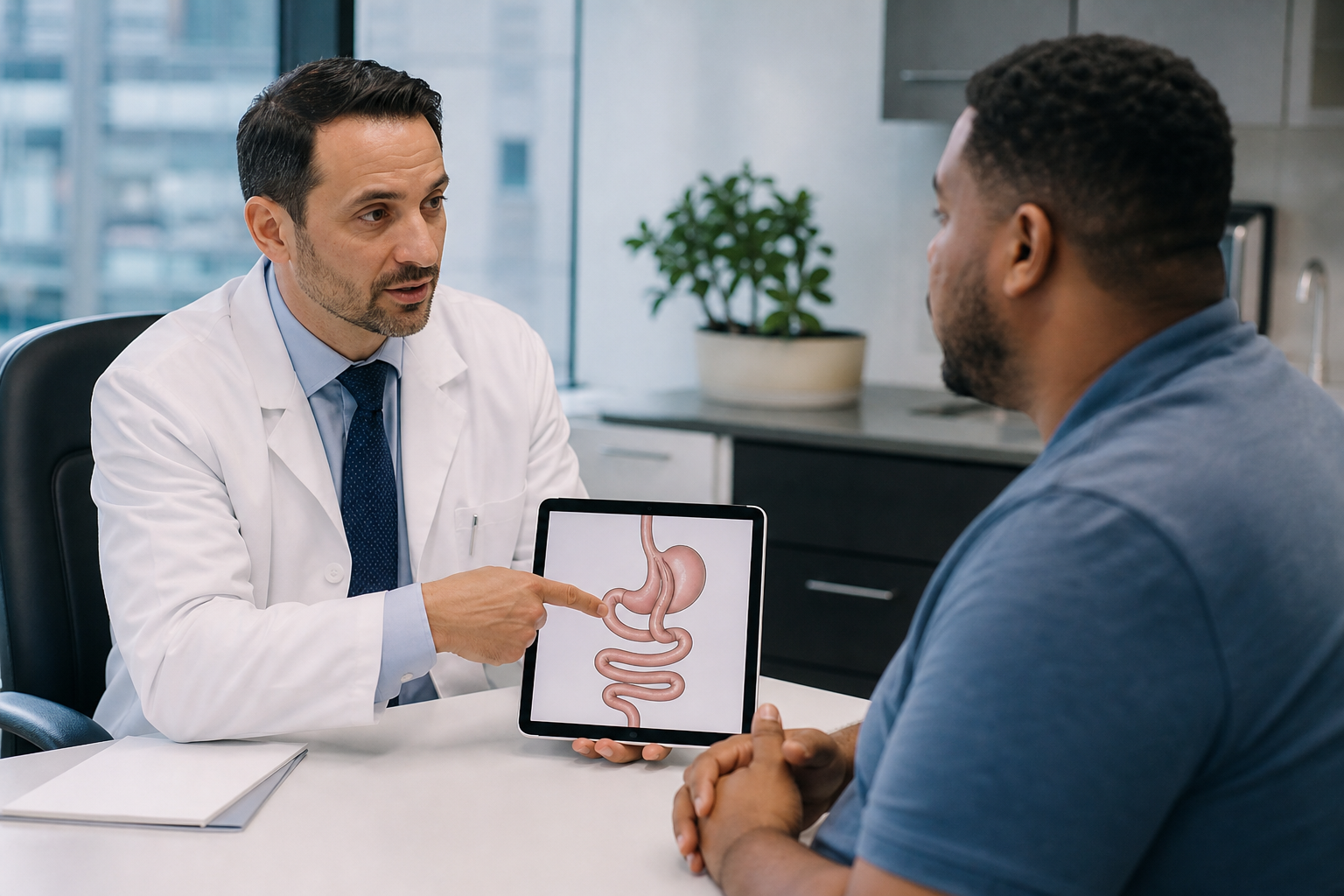
A single-join gastric bypass that reduces stomach volume and reroutes food. It is not a gentler sleeve and it is not chosen from a weight target alone.
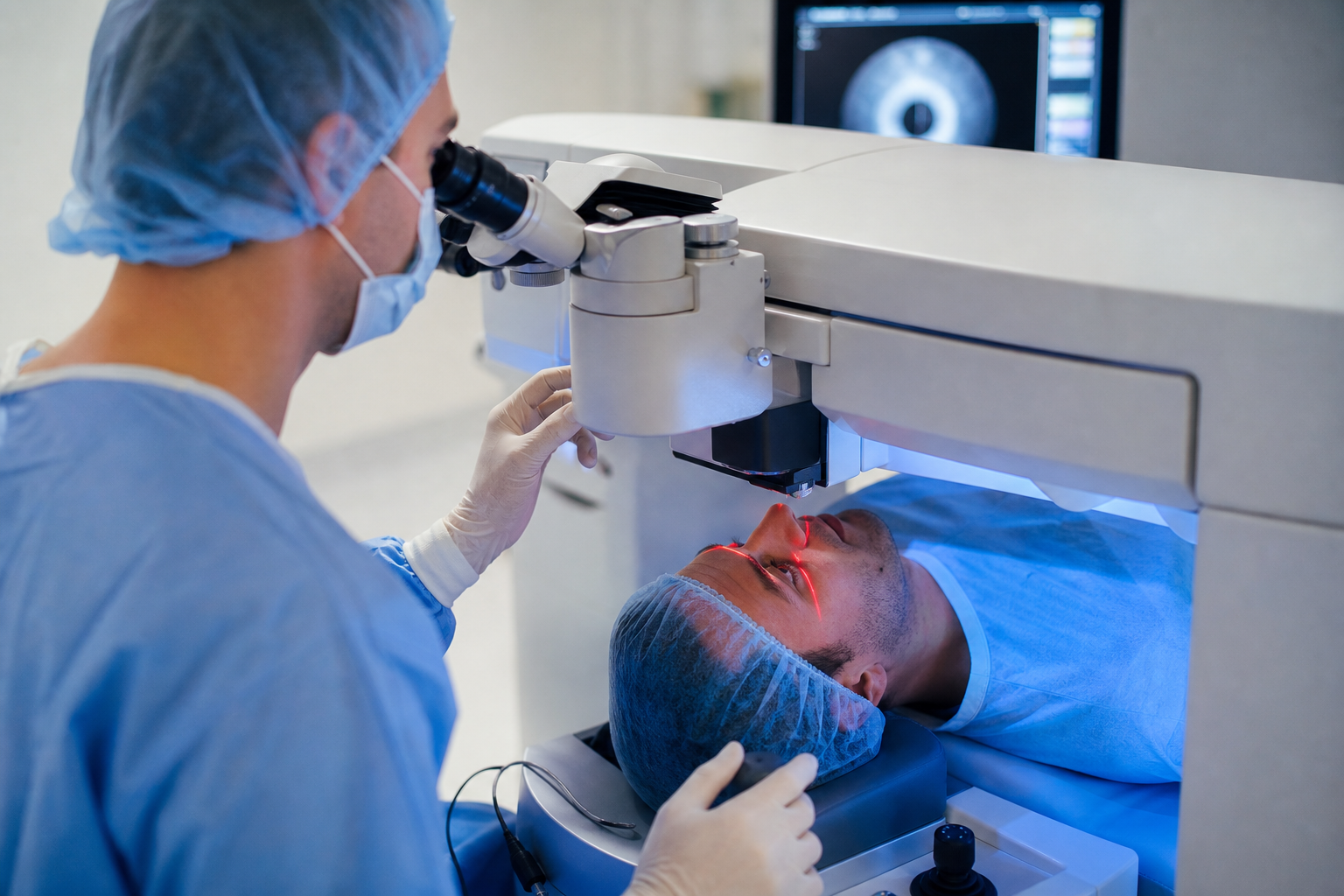
Laser refractive surgery discussed after corneal mapping and a full eye examination.
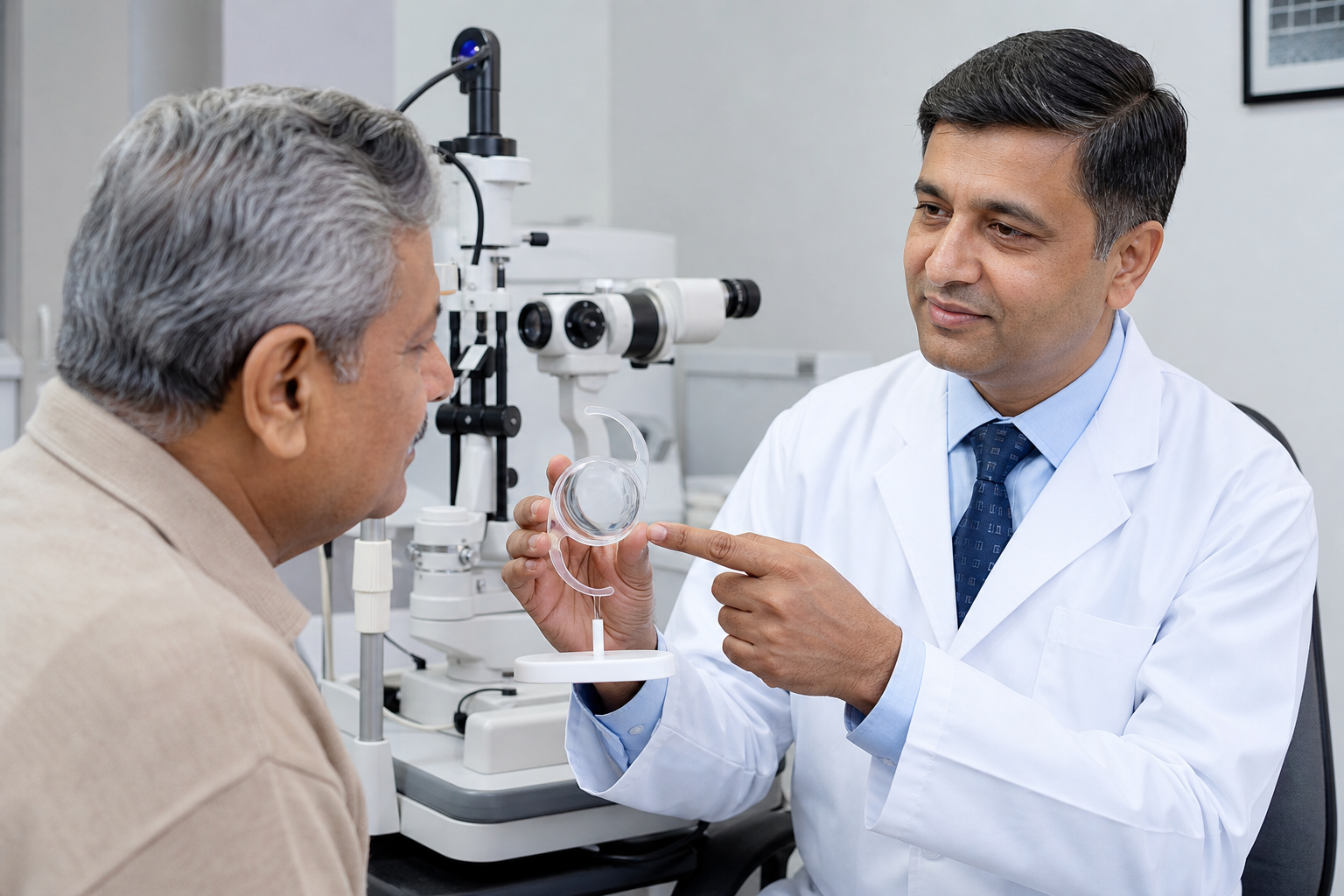
Cataract or refractive lens exchange discussed after a full eye examination.
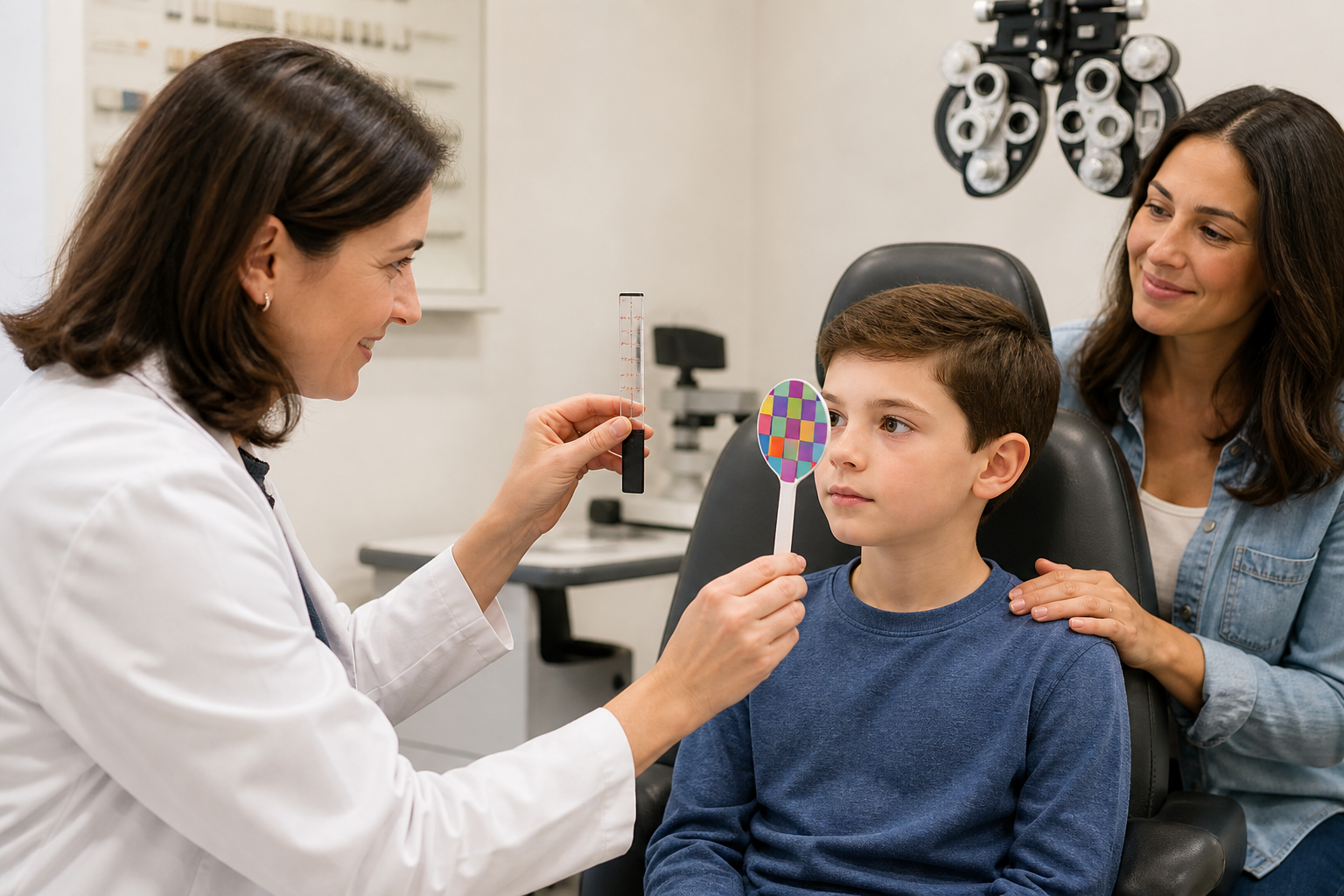
Alignment surgery discussed after a specialist examination of eye movement and binocular vision.
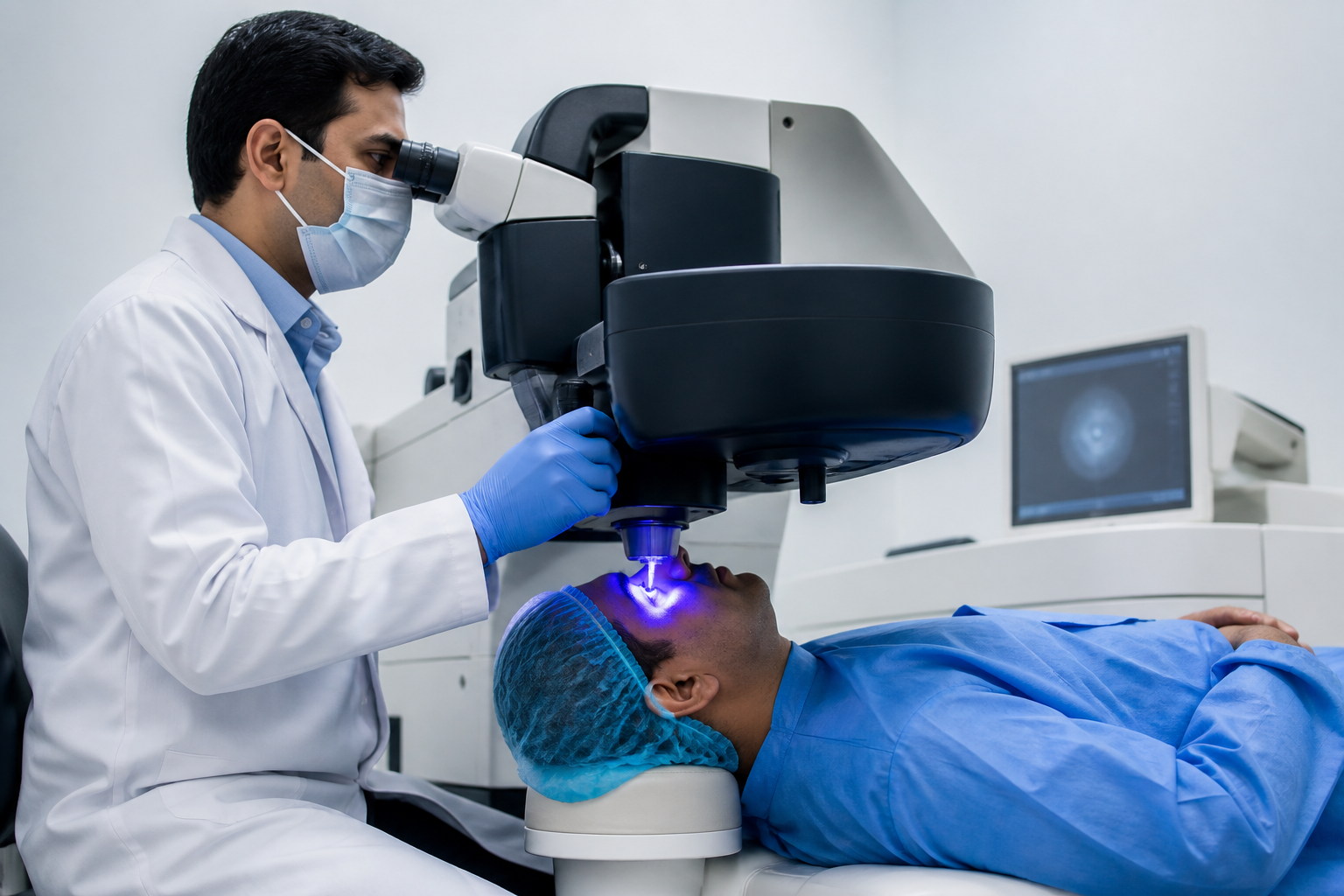
Cross-linking discussed for keratoconus or ectasia after corneal mapping.

A small-incision lenticule procedure for selected myopia and astigmatism — not a quieter LASIK for every prescription, and not booked from a glasses strength alone.
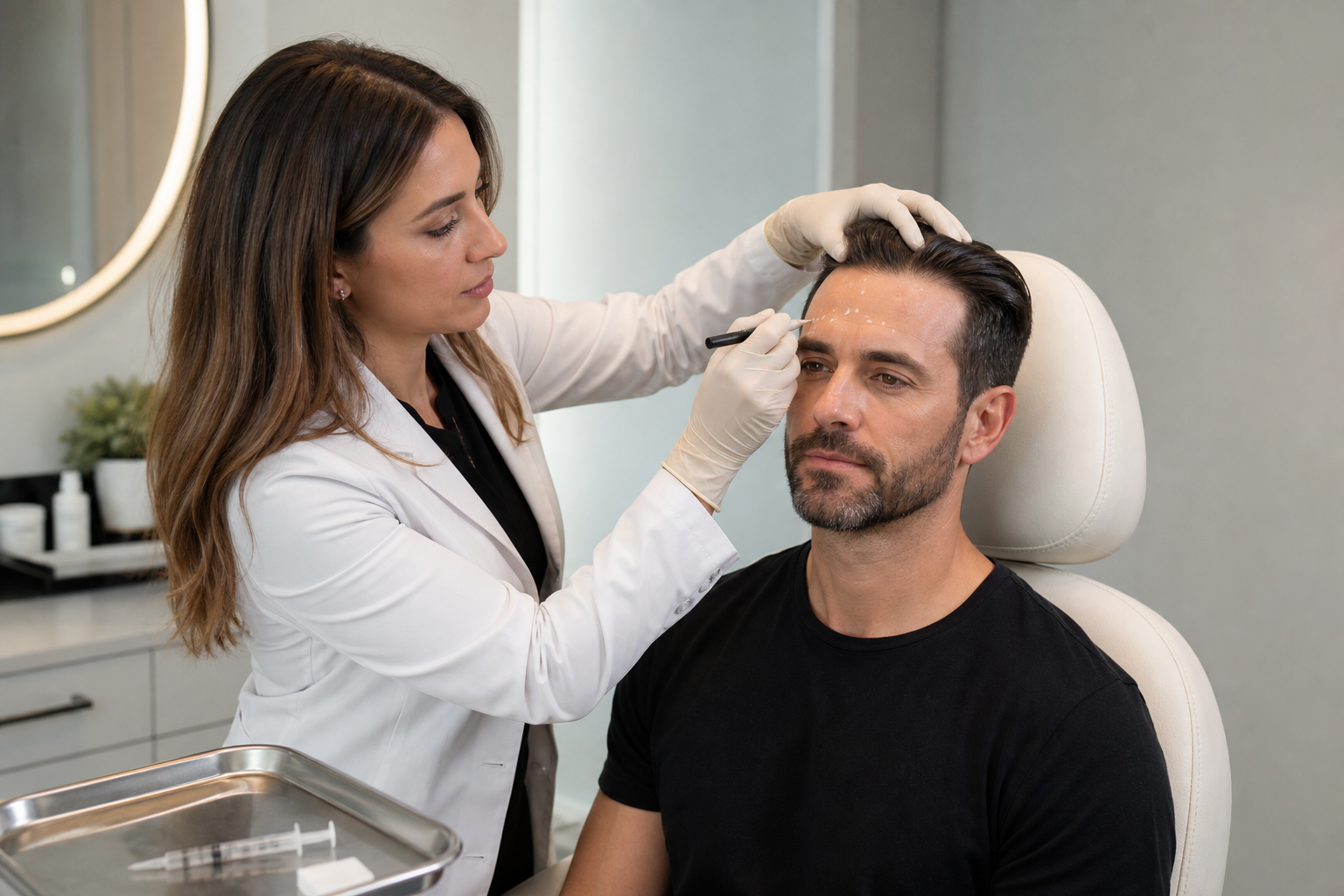
Botulinum toxin for indicated facial areas, planned after an in-person review.
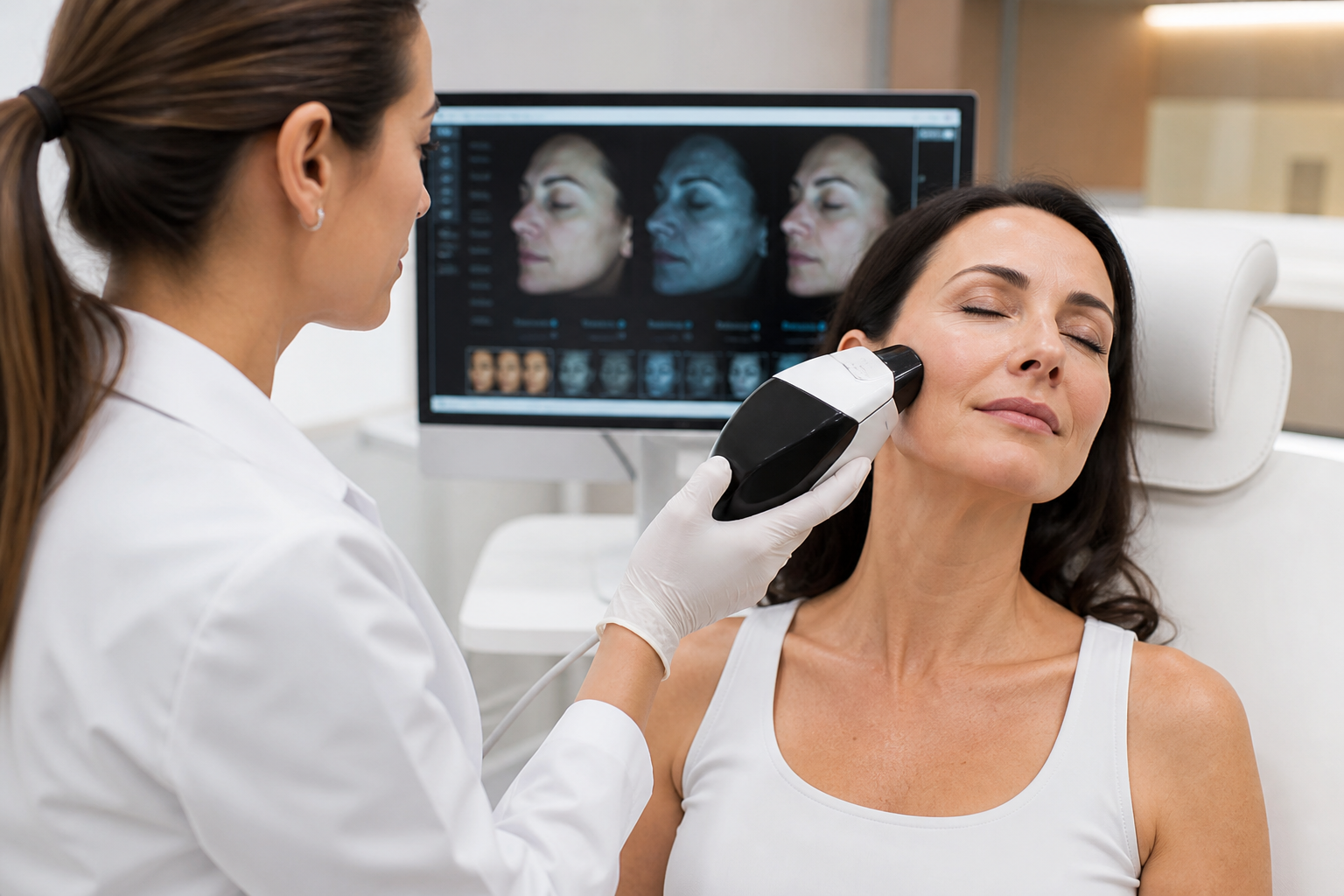
A non-surgical facial plan that may combine indicated injectables or skin treatments.
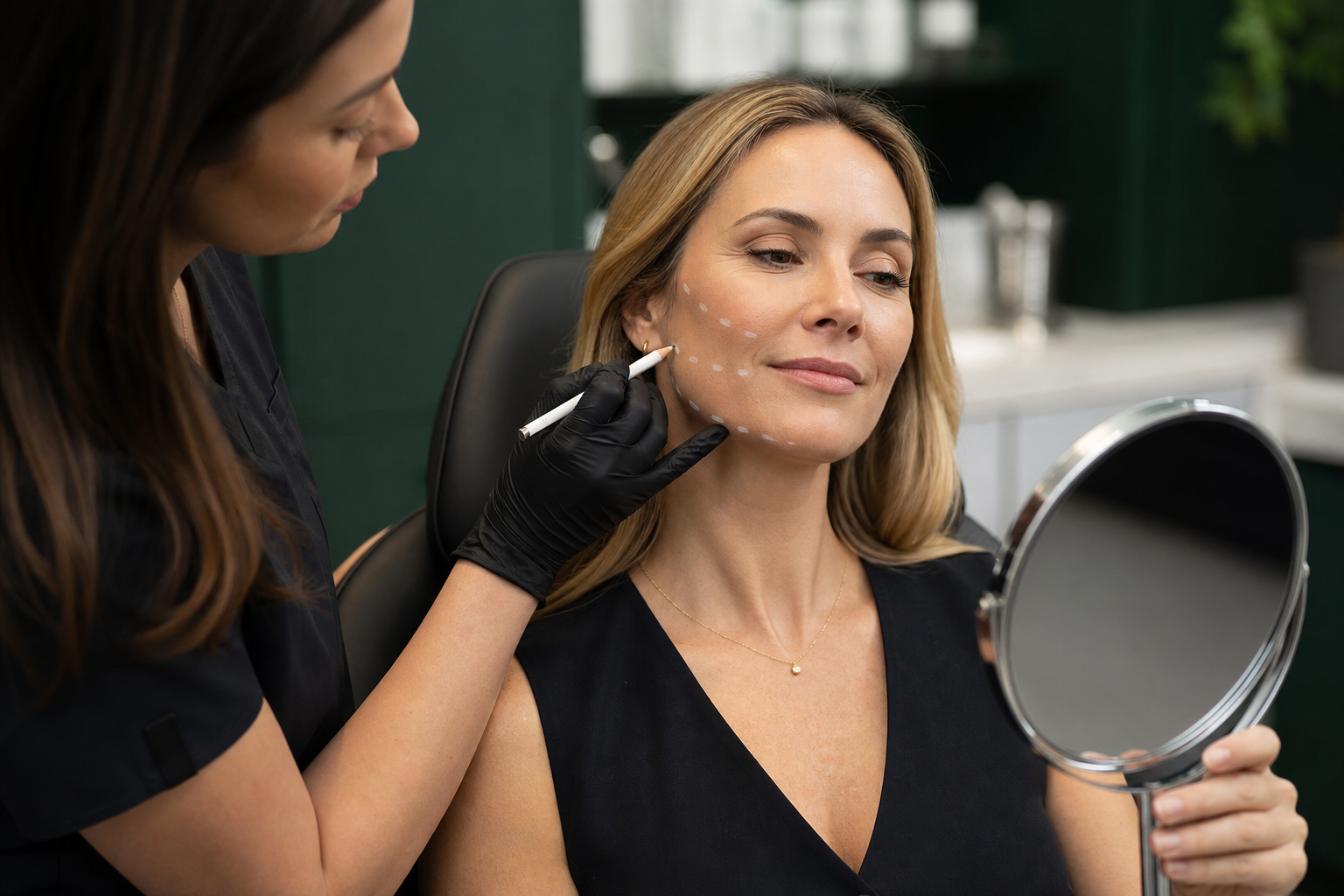
Hyaluronic-acid or other indicated fillers planned after examination.
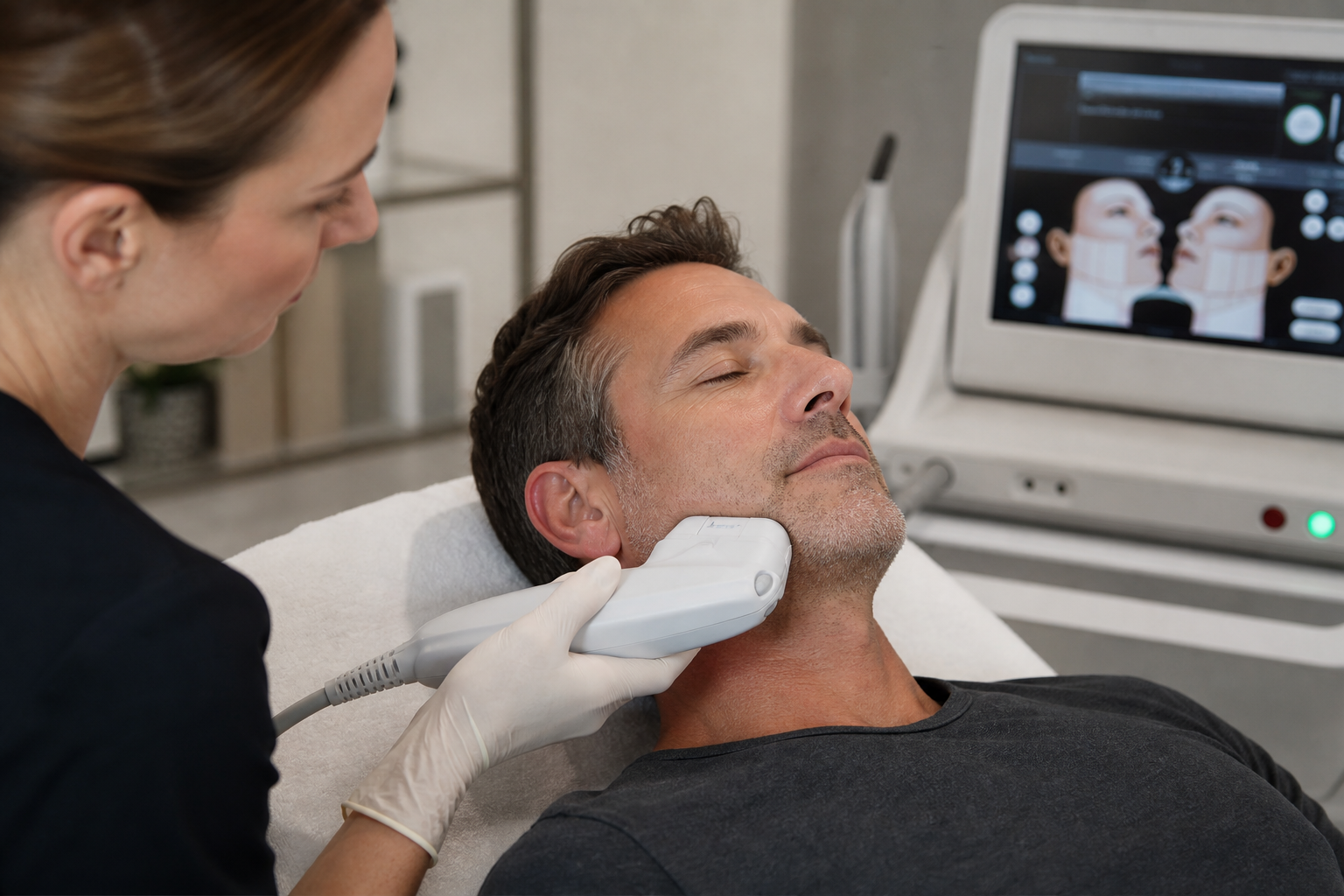
A non-surgical lifting discussion, not a guaranteed alternative to a facelift.
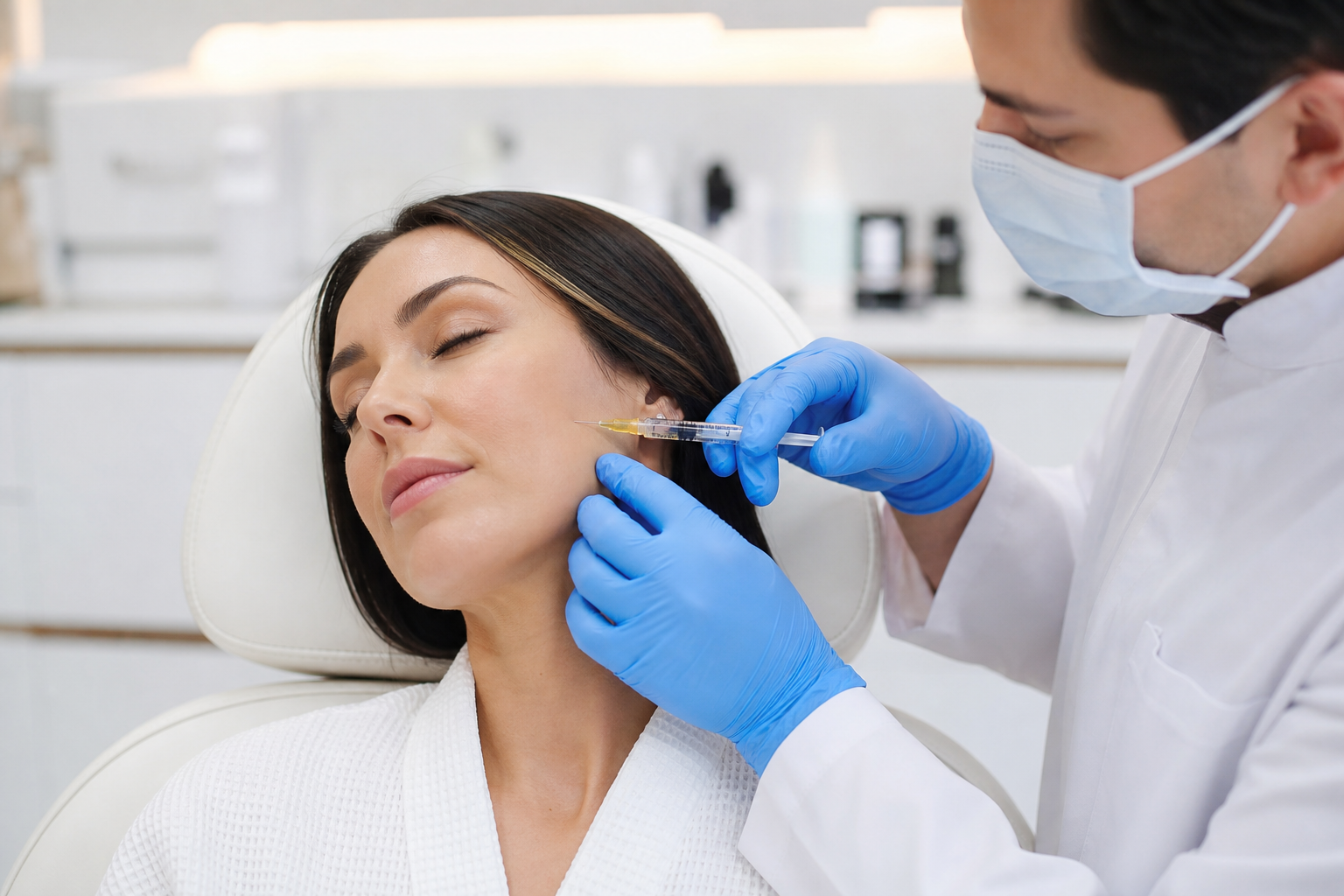
Platelet-rich plasma or stem cell discussed as supportive skin or hair-care options.
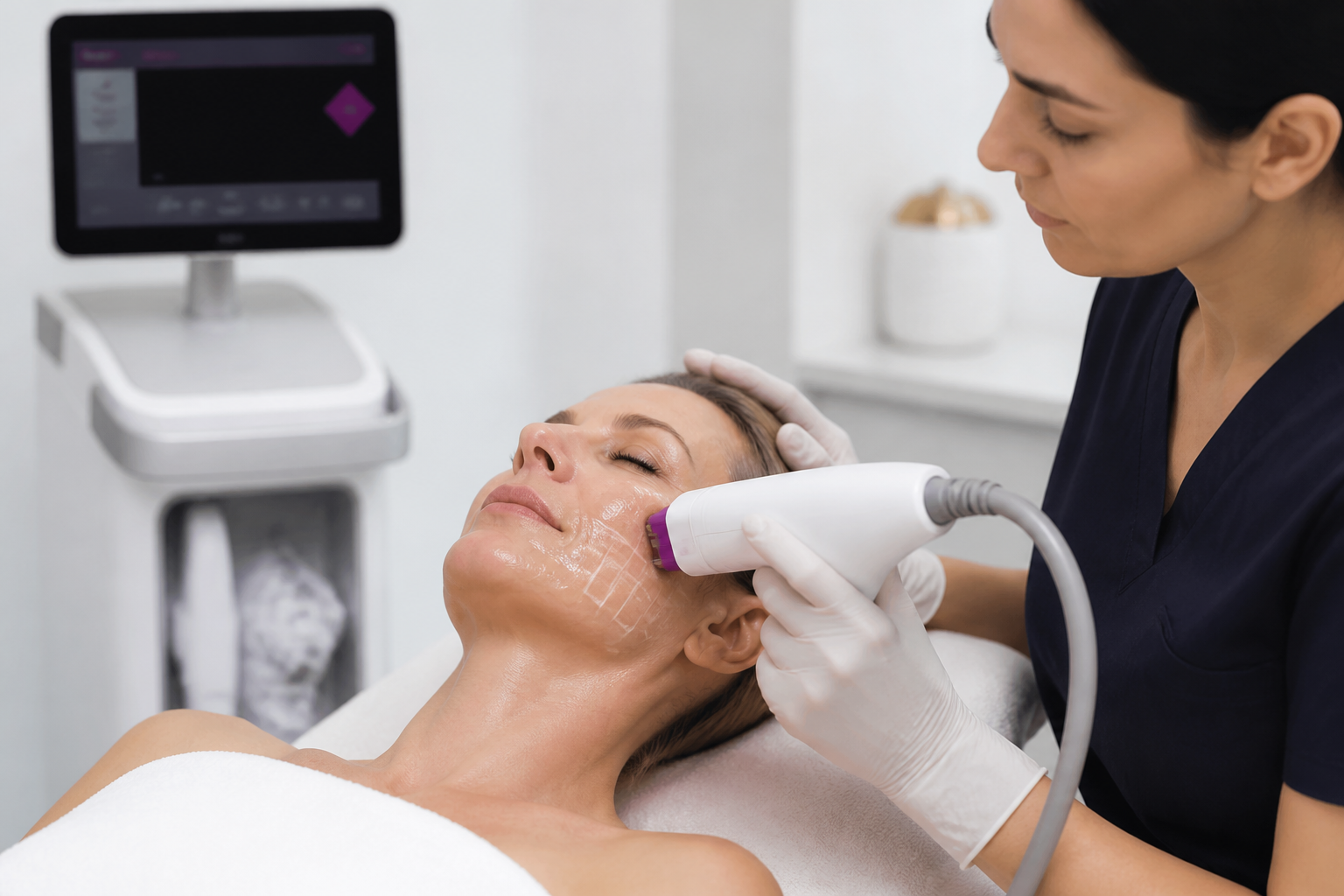
A monopolar radiofrequency treatment that heats deeper skin to encourage tightening — gradual, modest, and not a facelift.
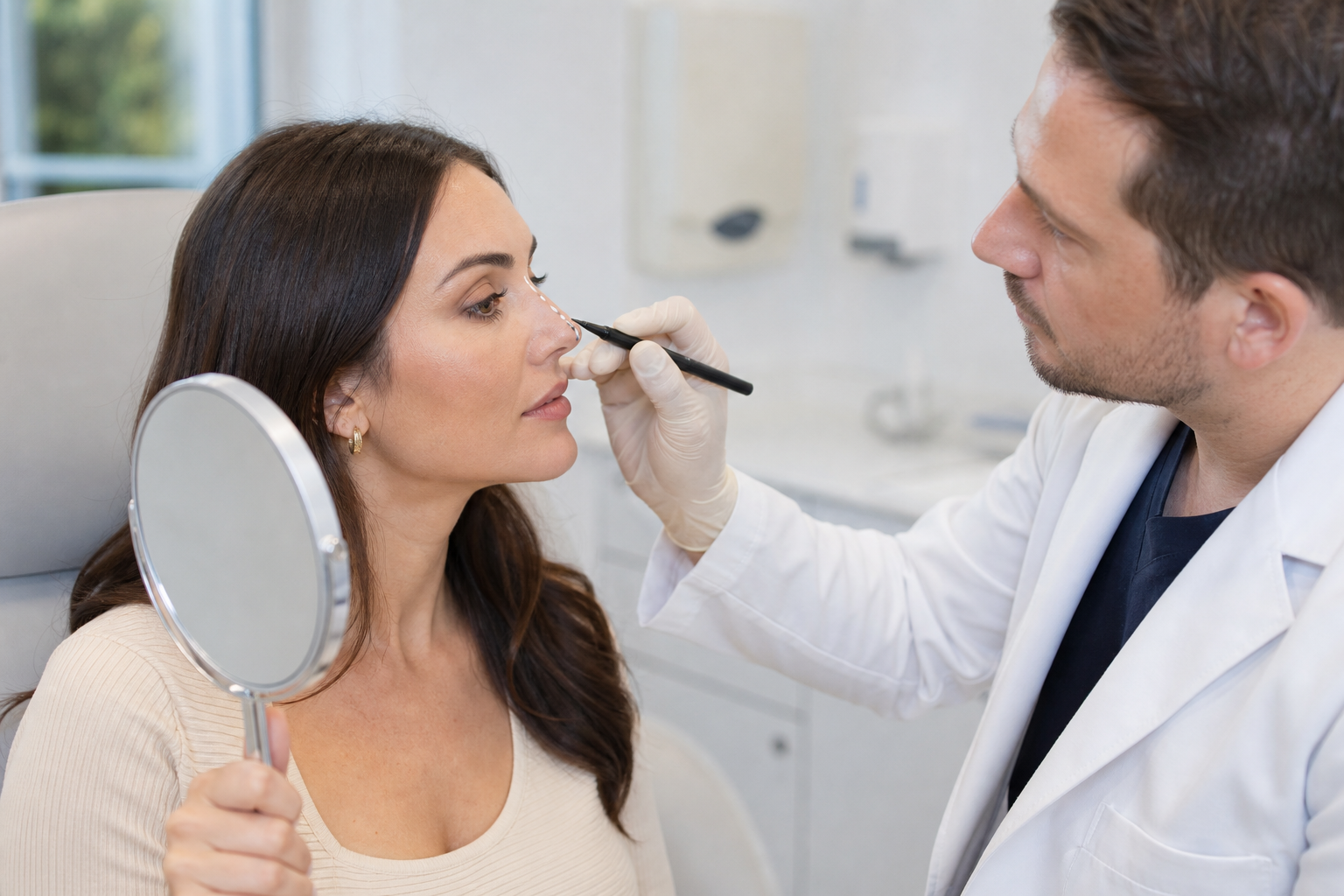
Hyaluronic-acid filler used to disguise selected nasal irregularities. Temporary, additive, and not a substitute for rhinoplasty when reduction is required.
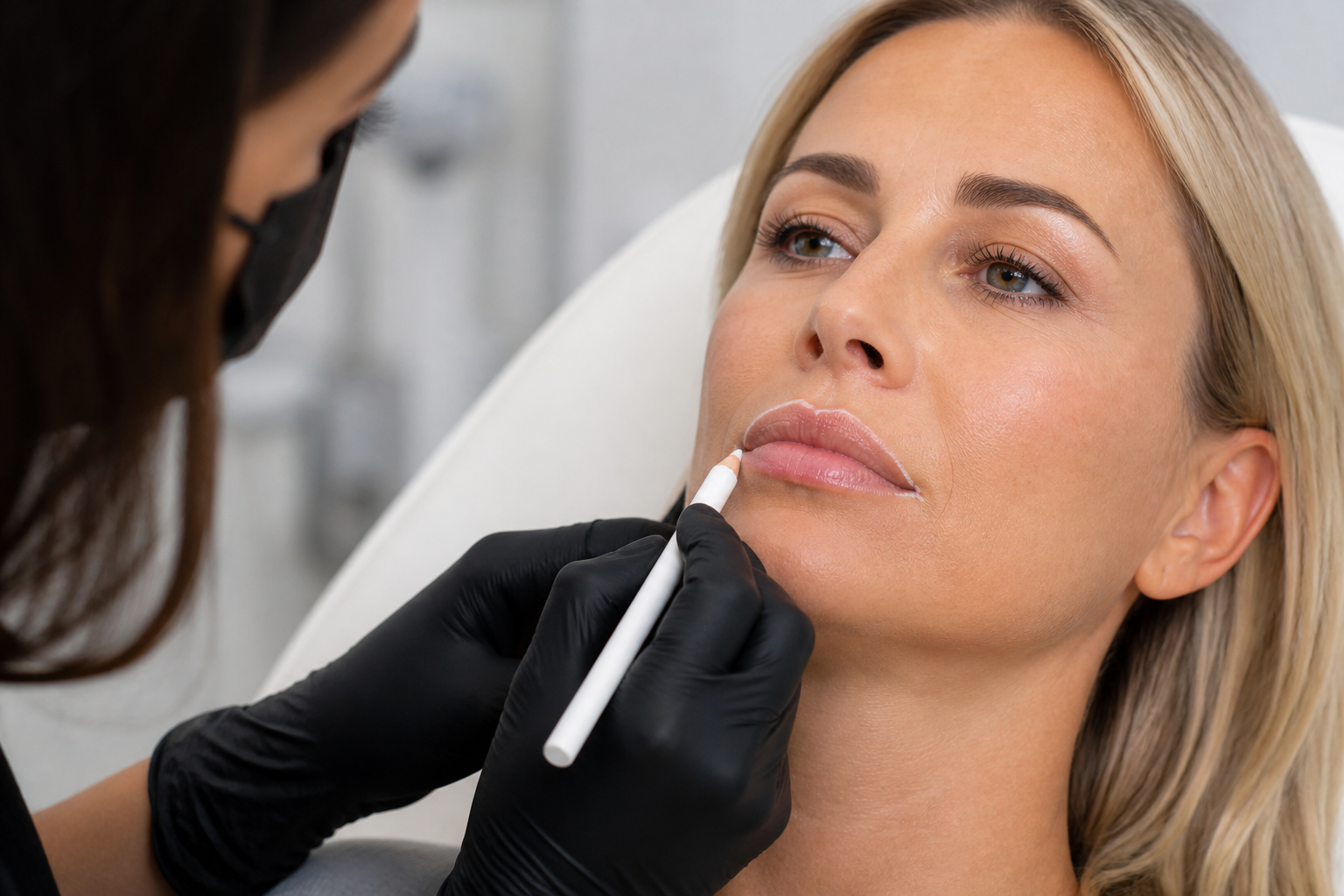
Hyaluronic-acid filler to the lips for border, hydration, or modest volume — reversible in principle, still a medical injection with swelling and vascular risk.
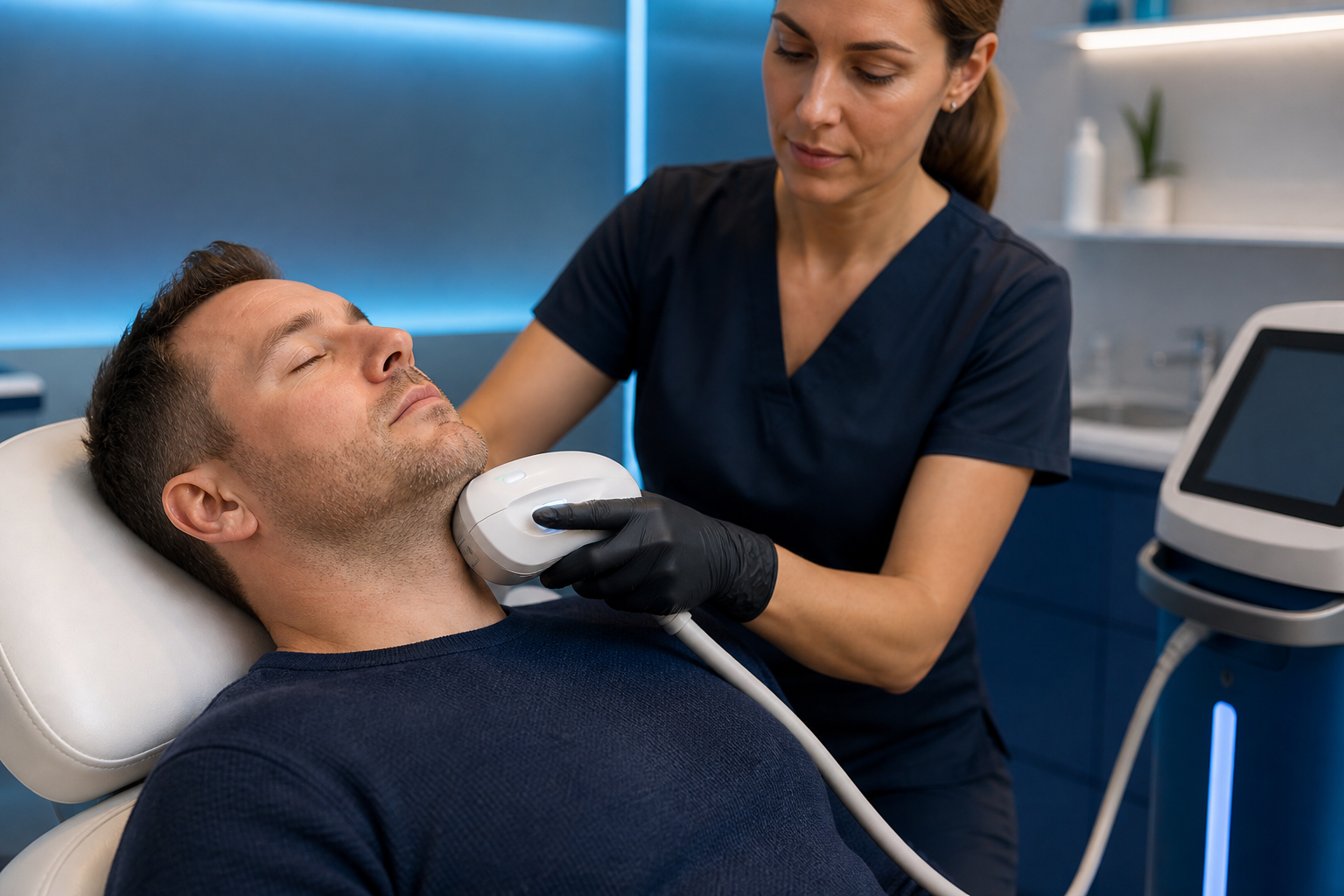
Reducing fullness under the chin with an injectable fat-dissolving course or, when skin and volume demand it, a surgical discussion — not a one-vial miracle.